IS AFC Hammersmith Town The Best Sunday Team in London?
AFC HAMMERSMITH TOWN
Location: Acton, west London
League: Sunday Football League – London
Year Founded: 2011
Home Ground: Shamrock Sports & Social Club, Acton, 307A Horn Lane, London W3 0BP
This Season: second in the Sunday Football League – London (currently unbeaten)
Last season(as Kensington Town):
- Central London Sunday League champions
- Middlesex Sunday Intermediate Cup winners (beat North London Athletic 1-0)
- Surrey Sunday Premier Cup finalists (lost 3-4 on penalties to Carshalton All Stars, score was 0-0 at FT)
- London FA Sunday Junior Cup finalists (lost 6-7 on penalties to Southern Sunday League Division 1 champions Selhurst, score was 0-0 at FT)
For the past 12 years a London team with an honours list longer than an underworld kingpin’s rap sheet, has won over 25 trophies, 10 league championships, reached 11 county cup finals, and last season reached county cup finals in three different counties in the same season (London, Middlesex, and Surrey). The team that achieved all the foregoing is not the reigning simultaneous London and Middlesex champions Highgate Albion, or the prominent self-promoting social media savvy “YouTube teams” such as Baiteze Squad, SE Dons, or Under The Radar.
AFC Hammersmith Town – “Judge Us By Our Actions”
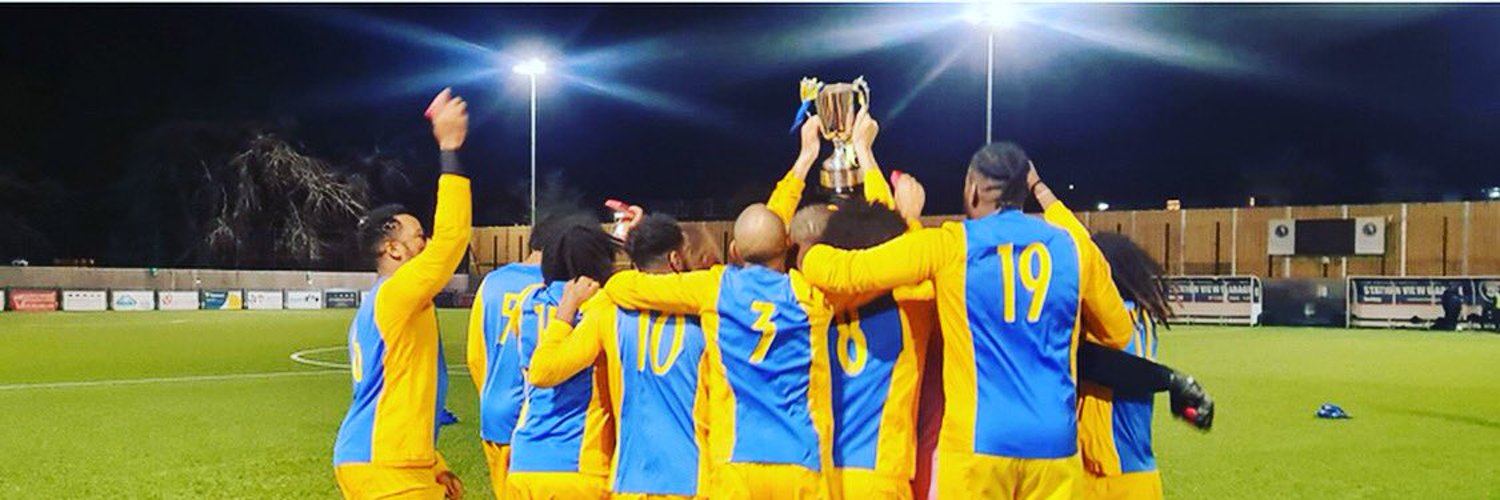
AFC Hammersmith Town has been hiding in plain sight since 2011. It has quietly goes about its business, won football matches, and addictively collected trophies. Yet Hammersmith does not get the credit it deserves because it does not make noise on social media. The other reason is that Hammersmith is nomadic and has played in 8 different leagues in the last 10 years alone. It has never stayed in any league for more than 3 consecutive years.
The team started on an estate in west London 13 years ago and adopted the Latin phrase Spectemur Agendo (“Judge us by our actions”) as its motto. The Metropolitan Borough of Hammersmith (where AFC Hammersmith Town is based) has used this phrase as its motto, and kept it even after merging with the London Borough of Fulham in the 1960s.
AFC Hammersmith Town took to club football like ducks to water. In its first season, it won Division 3 of the Middlesex County League (Sundays) after winning every single league game it played that season. Hammersmith’s performance in its inaugural season resulted in it being promoted 2 divisions and “skipping” Division 2. Despite moving up 2 divisions, Hammersmith won division 1 at the first attempt in the 2012-2013 season.
AFC Hammersmith Town – The Nomads (8 Leagues in 10 Years)
Hammersmith then made the first of the league switches which has been its hallmark throughout its existence. It moved to the Chiswick & District Sunday League in the 2013-2014 season, and after winning all of its league games, won the league’s Intermediate Division (second tier) at the first attempt.
Hammersmith played only one season in the Chiswick & District Sunday League before moving to the West End (London) A.F.A League. In its first season (2014-2015) in its new league, Hammersmith won the Premier Division at the first attempt; after yet again winning every single match it played.
Hammersmith played only one season in the West End (London) A.F.A League before moving to the Southern Sunday League. In its first season in its new league (2015-2016), Hammersmith won Division 1 at the first attempt (as usual!) without losing a league match all season. After gaining promotion to the Premier Division, Hammersmith also won the Premier Division championship at the first attempt in 2017 – following yet another “invincible” season during which it did not lose a match all season.
One Defeat in 11 Years
The following season, something very odd happened on May 13, 2018. AFC Hammersmith Town lost a league match (1-2 to Streatham Stanley). This was the first time that Hammersmith had lost a league match in 5 and a half years. Despite losing only 1 league match that season, Hammersmith finished in third place in the Southern Sunday League’s Premier Division (behind Battersea Park Rangers and South West Alumni of Graveney). Incredibly, that is the lowest league position in which Hammersmith has ever finished in during its 13 years of existence. That loss against Streatham Stanley 6 years ago was also the last time that Hammersmith lost a league match. Incredibly, Hammersmith has lost only 1 league match in the last 11 years.
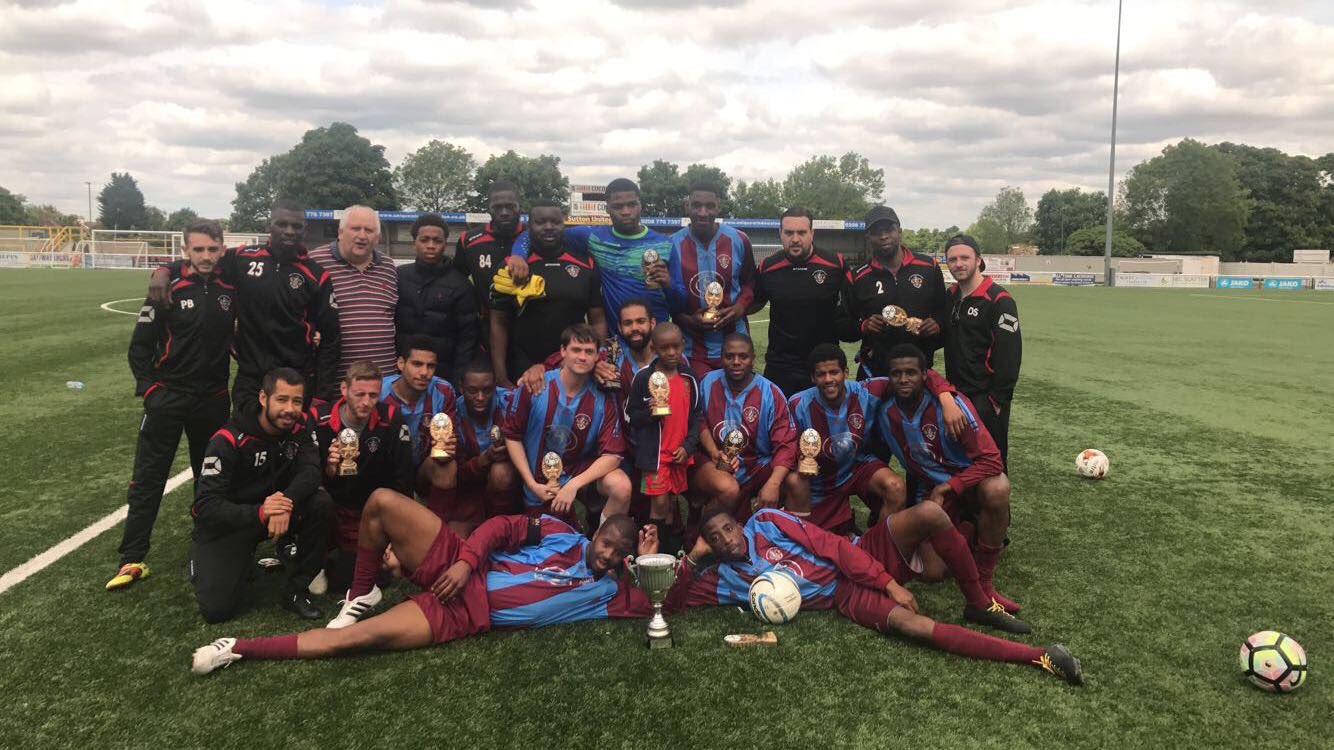
Hammersmith won its second Southern Sunday League Premier Division championship in 2019, before moving to the Harrow Sunday Challenge League after the null and void 2019-2020 Covid disrupted season.
As it usually does when it moves to a new league, Hammersmith won the Harrow Sunday Challenge League’s Premier Division at the first attempt in 2021; after yet again winning every single match it played. However, Hammersmith became victims of their own success. The league’s officials claimed that:
“Premier clubs don’t wish to be in the Premier and no one wants to get promoted because they don’t believe they are strong enough and they think AFC Hammersmith will walk away with the league and its not competitive for them”
Feeling that they were being punished for being successful, Hammersmith acrimoniously walked out of the Harrow Sunday Challenge League in frustration after only one season, and joined the Leatherhead & District Sunday League in the 2021-2022 season. Despite yet again going through the entire season unbeaten, somehow Hammersmith did not win the Premier Division championship and finished in second place behind Banstead Rovers.
The “Kensington Town” Days
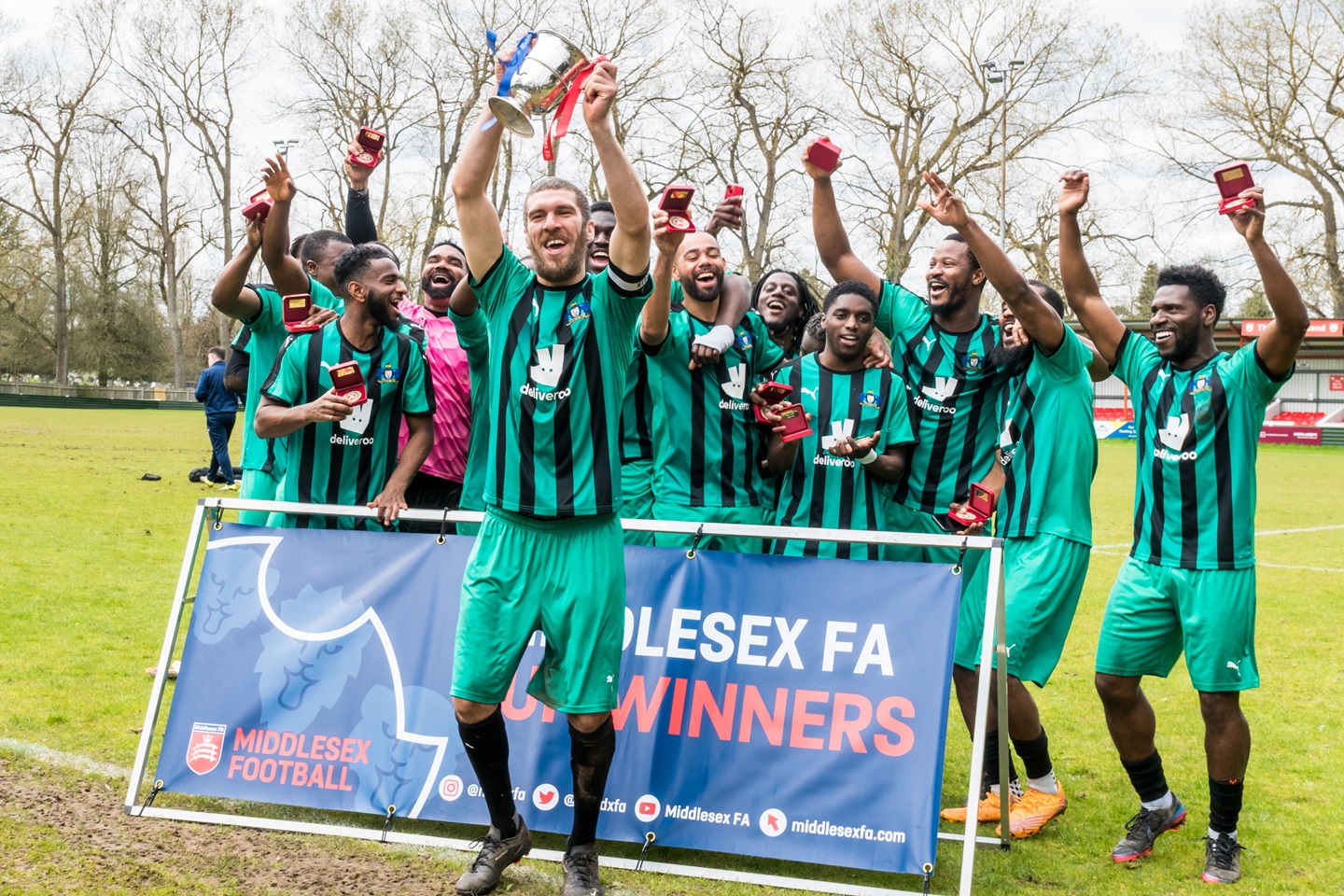
Hammersmith returned to normal service in the 2022-2023 season; by changing its name to “Kensington Town”, moving o a new league (the Central London Sunday League), winning the league’s Premier Division at the first attempt, and winning every single one of the 19 league matches it played (with a goal difference of +117). It did not even play all of its scheduled matches for the season, as it had already won the league without completing its fixtures.
Hammersmith are not flat track bullies. Hammersmith has proved that it is one of the best grassroots teams in southern England by transplanting its league success to county cup competitions in three different counties. It has played in 8 different county cup finals in the past 7 years in London, Middlesex, and Surrey, and won 5 of those finals.
Last season, Hammersmith almost achieved an unprecedented county cup treble after reaching three different county cup finals in one season (in the London FA Sunday Junior Trophy, Middlesex FA Sunday Intermediate Cup, and Surrey FA Sunday Premier Cup). It won the Middlesex FA Sunday Intermediate Cup after beating North London Athletic of the Barnet Sunday League 1-0. However, Hammersmith seems to be cursed in penalty shoot-outs. After drawing both the London FA Sunday Junior Trophy and Surrey FA Sunday Premier Cup finals 0-0 after extra-time, it lost both finals on penalties (6-7 on penalties to Southern Sunday League Division 1 champions Selhurst and 3-4 on penalties to Carshalton All Stars of the Leatherhead & District League, respectively). The penalty shoot out loss to Carshalton All Stars was sweet revenge for Carshalton All Stars as Hammersmith had beaten Carshalton All Stars 2-1 in the previous year’s Surrey Sunday Premier Cup final.
A Potential Second Successive County Cup Treble
This season, Hammersmith dropped the “Kensington Town” name, returned to its original AFC Hammersmith Town name, and moved to the Sunday Football League- London (SFL). The SFL deserves its “Super League” nickname as 8 of its 9 teams were champions of their respective leagues before joining the league (which started last season). Despite having only only 9 teams, this season:
-2 SFL teams will play each other in the Middlesex FA Sunday Premier Cup final (AFC Hammersmith Town and Highgate Albion);
-An SFL team reached the London FA Sunday Challenge Cup final (SE Dons), in addition to AFC Hammersmith Town that reached the quarter-finals but was removed from the competition on a technicality without losing a game;
-Another teams has reached the Kent FA Sunday Premier Cup final (Under The Radar)
-An SFL team reached the FA Sunday Cup semi-finals (Highgate Albion)
Despite the SFL probably being the strongest Sunday league in Britain, AFC Hammersmith Town has not lost a single league or cup match since joining the league and is currently in second place (behind Highgate Albion) in the league.
Hammersmith was on course for an unprecedented county cup treble this season after yet again reaching the finals of the Surrey Sunday Premier Cup, Middlesex Sunday Premier Cup, and the quarter-final of the London Sunday Challenge Cup. No team has ever won county cup trophies in London, Middlesex, and Surrey (let alone in the same season). However, Hammersmith fell victim to off-pitch officialdom. The London FA expelled Hammersmith from the London Sunday Challenge Cup after claiming that Hammersmith played an ineligible player in one of its matches in the competition. Hammersmith appealed against the expulsion and bitterly protested that the London FA approved the player’s registration the day before he played. Although the London FA reimbursed Hammersmith’s appeal fee and gave assurances about its future player registration process, it refused to revoke Hammersmith’s expulsion.
Hammersmith has also reached its record equalling third successive Surrey FA Sunday Premier Cup final (equalling the 41 year old record of Morden & District League team Cenward – which reached three successive Surrey FA Sunday Senior Cup finals between 1981 and 1983). Hammersmith will face Wandgas Seniors of the Leatherhead & District Sunday League in this year’s final on Wednesday April 17, 2024 at the Meadowbank Stadium of National League team Dorking Wanderers FC. Hammersmith and Wandgas played each other when Hammersmith was in the Leatherhead & District Sunday League.
AFC Hammersmith Town’s Route to the 2024 Surrey Sunday Premier Cup Final:
| ROUND | OPPONENT | OPPONENT’S LEAGUE | SCORE | DATE | VENUE |
| 1 | N/A (Bye) | N/A | N/A | N/A | |
| Quarter-Final | Grand Athletic | Sunday Football League – London | 3-0 | January 21, 2024 | Harris Academy, Merton |
| Semi-Final | Wandgas Rangers | Leatherhead and District Sunday League | 3-2 | March 3, 2024 | Wandgas Sports and Social Club, Worcester Park, Surrey |
Hammersmith will also bid to stop Highgate Albion from winning the Middlesex Sunday Premier Cup for a second successive season.
AFC Hammersmith Town’s Route to the Middlesex Sunday Premier Cup Final (date and time TBD):
| ROUND | OPPONENT | OPPONENT’S LEAGUE | SCORE | DATE | VENUE |
| 1 | Heavy Hitters | Barnet Sunday League | 3-0 | October 15, 2023 | Unknown |
| 2 | Highgate Albion Reserves | Barnet Sunday League | 1-0 | November 26, 2023 | Unknown |
| Quarter-Final | North London Athletic | Barnet Sunday League (Championship Division) | 4-2 | January 14, 2024 | Shamrock Sports & Social Club |
| Semi-Final | Grenfell Athletic | Middlesex County League (Sundays) | 6-2 | February 25, 2024 | Shamrock Sports & Social Club |
Highgate is the only team that Hammersmith has played more than once but never beaten. This will be the third time that these two teams have met each other in the Middlesex Sunday Premier Cup. Highgate beat Hammersmith 2-0 in the 2020 semi-final and 2-0 again in the 2022 quarter-final. The two teams were in different leagues during those two prior meetings. However, after both teams moved to the Sunday Football League – London this season, the two teams drew 1-1 in a league fixture last month. This final will also be the first time that two teams will play each other on neutral ground.
Prior meetings between Hammersmith Town and Highgate Albion:
| COMPETITION | SCORE | DATE | VENUE |
| Middlesex Sunday Premier Cup (Semi-Final) | 2-0 to Highgate (Tage Kennedy, Excellence Muhemba) | February 23, 2020 | St Aloysius Playing Fields (Pitch 1) |
| Middlesex Sunday Premier Cup (Quarter-Final) | 2-0 (Ian Maitland, Solomon Ofori) | February 23, 2022 | Shamrock Sports & Social Club |
| Sunday Football League – London (league match) | 1-1 | March 10, 2024 | St Aloysius Playing Fields (Pitch 1) |
How Do They Do It?
The reader may wonder how Hammersmith maintained such a remarkably brilliant level of success for over a decade. There are three reasons for this. Firstly, the club’s success coincided with the closure of strong clubs and Sunday leagues in west London such as the Chiswick & District League, Sportsman’s Senior Sunday League, West Fulham Sunday League, and West Middlesex Sunday League. These league closures meant that there was less competition to recruit the best players that used to play in those leagues. For example, after former Chiswick & District Sunday League and West Middlesex Sunday League champions Barnes Albion disbanded, its experienced player Mark Gallagher joined Hammersmith. Gallagher played for Barnes Albion in the 2013 and 2016 national FA Sunday Cup finals against Oyster Martrys and New Salamis respectively. Similarly, after former 3 time Sportsman’s Senior Sunday League champions Pearscroft United disbanded, one of its players Oliver Skeete (who also played for Pearscroft in the 2011 London Sunday Challenge Cup final) joined Hammersmith. Hammersmith has also fielded other players with a good footballing pedigree. Its former captain and center back Regan Mendes played professionally in Romania for FC Unirea and also for National League South team Welling United (who play at Step 2 of England’s football pyramid). Hammersmith’s former goalkeeper Mohammed Otuoyo (who played for Hammersmith for 4 seasons until 2020) later won the national FA Sunday Cup with Baiteze Squad in 2022. Albie Sheehan-Couzens (who won the 2020 London Sunday challenge Cup with Lambeth All Stars) has also played for Hammersmith.

Secondly, in the “pay to play” world of Sunday football where players are expected to pay weekly subscription fees to cover their clubs’ operating costs (such as registration fees, pitch hire costs, and referees’ payments), Hammersmith does not charge its players any such fees. As well as not charging its players, the team also plays on a quiet private pitch behind the Shamrock Sports & Social Club in west London (thus avoiding the stigma of “park football” attached to Sunday football), does not charge its players for the hire of training facilities, serves free breakfast to its players prior to each match, and provides each player with a free tracksuit and training kit. While these may be seen as routine at higher levels of football, providing cost free football to young grassroots players, allows Hammersmith to recruit young college age players who are yet to start their full-time working careers. This ties into the third factor behind Hammersmith’s success. Not financially burdening young college age players is important as Hammersmith has a partnership with a local college from where it recruits young players and transitions them into adult football.
On the Verge of Several Records
Hammersmith is on the brink of making history. If it wins both the Middlesex and Surrey Sunday Premier Cups this season, it will become only the third London team in the last 30 years to win county cups in two different counties in the same season (along with Ranelagh Sports and Highgate Albion). If Hammersmith wins either final, it will also enter sacred ground by becoming only the fourth London team in history to win 6 or more county cups (joining 279 Sports, Ranelagh Sports, and New Salamis).
Given its prior bad history in penalty shoot-outs, Hammersmith will hope that neither final goes to penalties.
Honours
2012: Middlesex County League (Sundays) Division 3 winners (with a 100% record)
2013: Middlesex County League (Sundays) Division 1 winners
2014: Chiswick & District League Intermediate Division winners
2015: West End (London) A.F.A. Premier Division champions (with a 100% record)
2016: Southern Sunday League Division 1 winners (unbeaten all season)
2017:
- Surrey Sunday Intermediate Cup winners (won 1-0 v Barnes Eagles Seniors of the Chiswick and District Sunday League)
- Southern Sunday League Premier Division champions
2019:
- Southern Sunday League Premier Division champions (unbeaten all season)
- Surrey Sunday Premier Cup winners (won 1-0 v Barnes AFC of the Chiswick & District Sunday League)
2020:
- London FA Sunday Trophy winners (won 1-0 against AC United of the Barnet Sunday League) – at Haringey Borough
- Surrey Sunday Premier Cup finalists (final against Lambeth All Stars not played due to Covid)
2021: Harrow Sunday Challenge League Premier Division champions (with a 100% record)
2022: Surrey Sunday Premier Cup winners (won 2-1 v Carshalton All Stars ) – at Meadowbank Football Ground (Dorking Wanderers FC)
2023:
- Middlesex Sunday Intermediate Cup winners – as AFC Kensington Town (won 1-0 v North London Athletic of the Barnet Sunday League) – at Northwood FC on April 16, 2023)
- Central London Sunday League Premier Division winners (100% record)
Runners Up/Finalists:
- London Sunday Trophy finalists 2019 (lost 2-3 to Groundhoppers of the Metropolitan Sunday) – at Fisher FC’s St Paul’s Ground
- Surrey Sunday Premier Cup finalists (2020 – final v Lambeth All Stars not played due to Covid)
- 2023 Surrey Sunday Premier Cup finalists (lost 3-4 on penalties to Carshalton All Stars, score was 0-0 at FT) – as Kensington Town
- 2023 London FA Sunday Junior Cup finalists (lost 6-7 on penalties to Southern Sunday League Division 1 champions Selhurst, score was 0-0 at FT) – as Kensington Town
- Surrey Sunday Intermediate Cup finalists 2016 (lost 2-4 to Croydon Municipal Sunday League champions Portland)
- 2022 Leatherhead and District Sunday League Premier division – 2nd place
Will Olympia FC Crash the SE Dons/Baiteze Squad Party?
OLYMPIA V SOUTH-EAST DONS
Date and Time: Sunday April 7, 2024, 10am Kick-off
Venue: Whittington Park, Holloway, London, N19 4RS
Competition: London Sunday Challenge Cup Semi-Final
Last week was a sad week for Cypriot football clubs and fans in England. The only two Cypriot teams in the National League System both announced that they would disband. On March 19, New Salamis (a team established by Cypriot immigrants) of the Isthmian League Division 1 North (Step 4) announced that it will disband its adult team at the end of this season. 8 days later St Panteleimon FC (which north London’s Greek-Cypriot Orthodox Christian Community established in 2015) announced that it would immediately disband its team – which was playing in the Premier Division of the Spartan South Midlands League (Step 5).
Those familiar with the London football scene know that New Salamis is a special team. It was widely regarded as London’s best Sunday team in decades before it moved to Saturday football. It had a rapid ascent after winning the 2016 FA Sunday Cup, and reaching the FA Sunday Cup final again in 2017. After this second consecutive FA Sunday Cup final, the club switched to Saturday football, and after three successive promotions from the Hertfordshire Senior County League and Spartan South Midlands League (including two successive championship wins), was promoted to Step 4 of English football’s pyramid in the Isthmian League.
With New Salamis and St Panteleimon gone, the UK Cypriot community’s hopes of footballing success this season lie with Olympia FC from north London. Olympia has already won the Barnet Sunday League’s Premier Division with several games of the season still left to play (it has an unassailable 16 point lead at the top of the table), and is through to the semi-finals of the London Sunday Challenge Cup.
Olympia will face South-East Dons in the semi-final. SE Dons is one of the most popular of the so-called “YouTube teams” who professionally film and upload HD footage of their games to YouTube. SE Dons has more YouTube followers than 70% of Premier League clubs, and combines a Match of the Day style highlights package of their games, with outlandish commentary, behind the scenes fly on the wall footage of what it is like playing for an amateur football club, and the larger than life characters at the club. 2 years ago a crowd of close to 2000 turned up to watch Baiteze Squad and SE Dons play in round 2 of the FA Sunday Cup. Ironically, SE Dons’ biggest rivals Baiteze Squad is in the other semi-final, and if both SE Dons and Baiteze win their respective semi-finals, they will meet each other in a final that might break attendance records in this competition. Olympia stands in the way of that fantasy final.
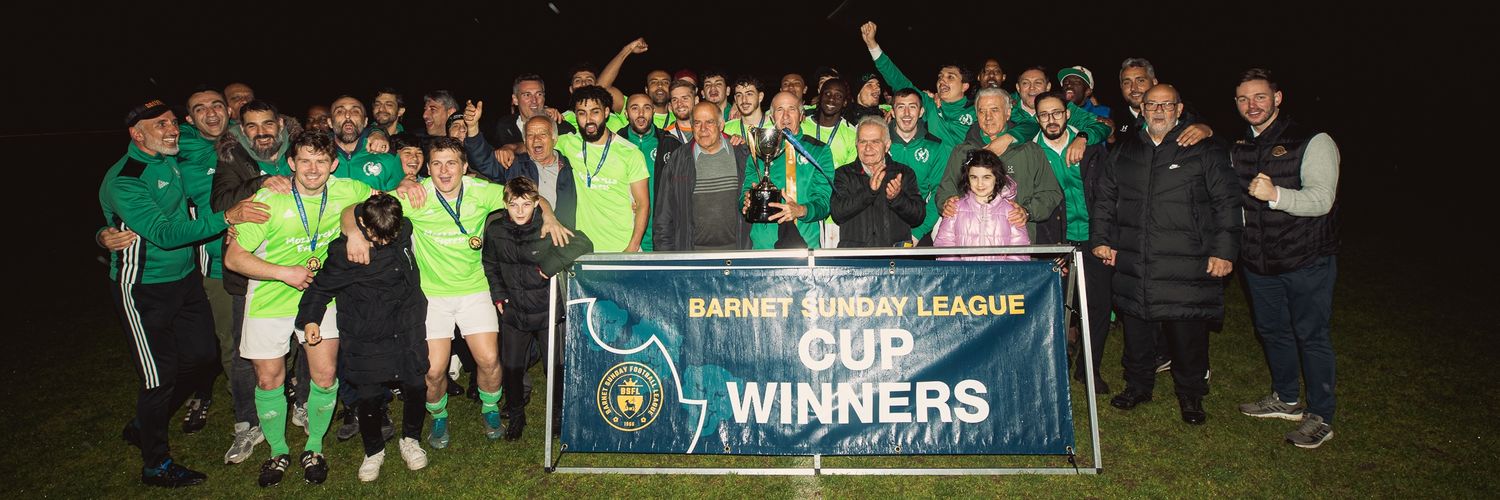
Since SE Dons is in the business of self promotion and is well-known, I will focus on Olympia – which is very low profile on social media. If Olympia beats SE Dons in the semi-final, it will be Olympia’s 4th appearance in the London Sunday Challenge Cup final in the past 7 years. Yet Olympia had humble beginnings and went trophy-less for most of its existence.
OLYMPIA FC

Year Founded: 1970
League: Barnet Sunday League (Premier Division)
Location: Islington, North London
Home Ground: Whittington Park Football Pitch, Holloway Road, London N19 4RS
Kit Colour: green shirts, green shorts, white socks
Chairman: Charles Gregoriou
Manager: Steve Cinotti
Assistant Manager: Nicky Rifat
Secretary: Demetri Ioannou
Captain: Larry Agyeman
Honours:
- 2024 Barnet Sunday League Premier Division champions
- 2023 Barnet Sunday League Championship Division winners
- 2023 Barnet Sunday League Premier Cup winners (5-4 on penalties v Highgate Albion after a 0-0 draw – at Queen Elizabeth II Stadium – Enfield)
- 2022 KOPA League Division 1 champions
- 2021 KOPA League Challenge Cup winners
- KOPA League Division 2 Cup winners (2017 and 2019)
- KOPA League Division 2 winners (1983 and 1999)
Olympia FC – Club Origins
In 1970 a group of Cypriots who immigrated to London in the 1950s and 1960s from the village of Lympia (a small community of less than 3000 people) in the Nicosia region of Cyprus, formed Olympia FC. It has very similar origins to Nicosia FC; the Liverpool team (also founded by a Cypriot immigrant) where current West Ham United first team coach and former Bolton Wanderers midfielder Kevin Nolan has worked as assistant manager, chairman, and sponsor.
Costas Achillea was Olympia’s founding father and first manager. 5 years after its formation Olympia became founder members of the new KOPA Football League; a Sunday football league formed by members of London’s Cypriot community. Olympia played in the KOPA League for 47 years from the day the league started in 1975 until it closed in 2022. Several of Olympia’s original players are still involved with the club. The club’s sponsors Max and Nicholas Stavrinou are the sons of George Stavrinou; one of Olympia’s founder members and its chairman until his death in 2014. George Stavrinou was the owner of Dover Street Wine Bar in London’s West End; and his regular customers included celebrities such as Piers Morgan and Rod Stewart, and professional footballers such as George Best, Tony Adams, and Ray Parlour. Three other former players (Charles Gregoriou, Lakis Panayi, and Tasos Angeli) from Olympia’s original 1970 squad are still with the club – as officials.
Despite now being a multi-cultural team, Olympia maintains links with its home village in Cyprus and the dove image in its club crest (which represents peace and freedom) also includes an image of the church at the top of a hill in Lympia village.
The Growth of the KOPA League
Cypriot businessmen funded the KOPA League’s clubs; enabling them to attract the best semi-professional Cypriot and non-Cypriot footballers in London to the league. The KOPA League was the strongest Sunday league in London from the late 1990s until 2018. KOPA League teams reached the London Sunday Challenge Cup final in 13 of the 18 seasons between 2000 and 2018 (including New Salamis who won the cup 6 times in only 10 years).
Yet while KOPA League teams such as New Salamis, AEL, Aris, Tripimeni, and Apoel won trophies, Olympia was relegated, rarely won, spent much of its existence in the KOPA League’s bottom division, and even finished in last place in the bottom division. Ironically, Olympia’s first KOPA League championship win came in the KOPA League’s final season (after New Salamis and St Panteleimon had already left the league for Saturday football).
However, the honour of being the KOPA League’s last champions was bittersweet. Losing its best team New Salamis weakened the KOPA League, and the league closed a few months after Olympia’s title win and being reduced to one division and only 8 teams (Apoel, Komi Kebir, Nissi, Omonia, Omonia Youth, Panathinaikos, Olympia, and Pantel). The KOPA League’s demise was the Barnet Sunday League’s gain. All of KOPA’s surviving member clubs (except Pantel) and another former KOPA team called Armenian Youth Association, moved to the Barnet Sunday League. The Barnet Sunday League grew from 3 divisions in 2017 to 8 divisions (and 2 veterans’ divisions) this season as clubs from KOPA, the Turkish Community Football Federation, and other north London leagues which closed (such as the Hendon & District Sunday League, North London Sunday League, and Waltham League) left to join the Barnet Sunday League.
Olympia and the other ex-KOPA teams took to the Barnet Sunday League like ducks to water. It is testament to KOPA’s strength that ex-KOPA teams currently lead 4 of the Barnet Sunday League’s 8 divisions. KOPA League rules required teams to have at least 8 players of Cypriot origin on the pitch at all times. Since the Barnet Sunday League has no such rule, Olympia can now select as many non-Cypriot players as it wishes and now arguably has a stronger squad as a result. In its first season in the Barnet Sunday League Olympia won its Championship Division (second tier) at the first attempt (losing only 1 league game all season), gained promotion to the Premier Division, and won the Barnet Premier Cup final against the simultaneous Barnet Sunday League Premier Division, London, and Middlesex Champions Highgate Albion.
“The Sunday League Jose Mourinho”
It is notable that 7 of the 9 trophies that Olympia has won in its 47 year history came in the last 7 years alone. That is due to its manager Steve Cinotti; who attracts football trophies like bees to honey. Where Cinotti goes, trophies follow. Before becoming Olympia’s manager approximately 8 years ago, Cinotti won four successive London county cup competitions in 2003, 2004, 2005, and 2006 as the manager of another KOPA League team; Aris. He also won a fifth London county cup in 2014 as the manager of Tripimeni FC (also a KOPA League team), and led Tripimeni to the semi-finals of the 2011-2012 national FA Sunday Cup. 279 Sports FC manager Jimmy Wakeling (who also managed Cray Wanderers on Saturdays) and former New Salamis manager George Georgiou are the only managers who have won more London county cup finals than Cinotti.
However, Cinotti has not been so fortunate with Olympia; which has had an “always the bridesmaid, never the bride” experience. Cinotti has lost all 3 London Sunday Challenge Cup finals he has reached with Olympia (in 2017, 2019, and 2023). If Olympia wins the semi-final against SE Dons, it will be the 11th time he has managed a team to a London county cup final.
Several ex-players who played for Cinotti’s former teams Aris and Tripimeni are involved with Olympia and have brought their winning culture there. Olympia’s Assistant Manager Nicky Rifat was Tripimeni’s captain and is also the Vice-Chairman of Isthmian League Premier Division (Step 3) team Wingate & Finchley FC. Nicky’s brother Ahmet is Wingate & Finchley’s manager. Olympia’s backroom staff also includes Terry Paul (who also played for Aris and Tripimeni), and Alfie Bartram is a veteran Olympia player who won the London Sunday Challenge Cup in 2014 with Tripimeni. Cinotti’s sons Giancarlo, Giuliano, and Rico also play for Olympia.

Both Olympia and SE Dons have indirect history with each other. In round 2 of this season’s London Sunday Challenge Cup, SE Dons narrowly beat another Cypriot-backed team from the same league as Olympia (North London Athletic) 3-2 on penalties (after a 1-1 draw).
North London Athletic’s squad is made up mostly of players who formerly played for APOEL FC in the KOPA League (such as Daniel Couldridge, George Lutaaya, Inarhu Martin, Alex Michaelides, Brandon Dujon, Alex Addai, and Darius Andreou). APOEL (Athletikos Podosferikos Omilos Ellinon Lefkosias – “Athletic Football Club of Nicosia’s Greeks”) finished second behind Olympia in KOPA’s final season, and when KOPA closed, many of APOEL’s players left to join North London Athletic in the Barnet Sunday League. Like Olympia, North London Athletic is well backed financially, and has been able to attract some of the best Cypriot and non-Cypriot players to its squad.
Olympia scored 22 goals in the 4 matches it has played in this season’s London Sunday Challenge Cup. It already beat two teams from SE Dons’ league (Hatcham and SAHA) to reach the semi-final and will hope that SE Dons will be its third victim from the same league.
Olympia, New Salamis, and St Panteleimon all started in the Cypriot KOPA League. New Salamis and St Panteleimon were presumed to have left Olympia behind for greener pastures. It will be ironic if Olympia wins its first London Sunday Challenge Cup in the season that New Salamis and St Panteleimon hung up their boots.
Olympia’s Route to the Semi-Final:
| ROUND | OPPONENT | OPPONENT’S LEAGUE | SCORE | DATE | VENUE |
| 1 | Junction Elite | Southern Sunday League | 10-1 | October 1, 2023 | Whittington Park, Holloway, London, N19 4RS |
| 2 | Lusitanos | Metropolitan Sunday League | 5-1 | November 12, 2023 | Mottingham Sports Ground, London SE9 4NP |
| 3 | Hatcham | Sunday Football League – London | 4-1 | December 17, 2023 | Whittington Park, Holloway, London, N19 4RS |
| Quarter-Final | SAHA (Sport and Health Academy) | Sunday Football League – London | 3-2 | February 18, 2024 | Harris Academy Merton, Wide Way, Mitcham, CR4 1BP |
FA Sunday Cup Semi-Final Preview: Highgate Albion – The Trophy Hunters 🏆 (Part 2)
HIGHGATE ALBION –v- HOME BARGAINS

FA Sunday Cup Semi-Final
Date: Sunday, 24 March 2024
Kick-Off: 2pm
Location: Kidderminster Harriers, Aggborough Stadium, Hoo Road, Kidderminster, Worcestershire DY10 1NB
Continued from Part 1.
Since elite professional football gets so much attention, I like to write about areas of football that get overlooked. Among those is the FA Sunday Cup; an excellent but unheralded nationwide competition for the best Sunday football teams in England. For those who think Sunday football is a dumping ground for the unfit and overweight – think again. Teams and their players have to be seriously talented and fit to compete in this competition. Most players who play in it are ex-professionals or semi-professionals. Elliott Nevitt scored a late winning goal in extra time to give Campfield (from Liverpool) a 1-0 victory in the 2021 FA Sunday Cup final. A few weeks later Nevitt signed a professional football contract with Tranmere Rovers and won the League Two Player of the Season award in his first season as a professional footballer.
This season’s competition has reached the semi-final stage and one of the semi-final ties features a match-up between two teams who are the best Sunday teams from Liverpool and London respectively. This is the second of a two part article that I began at this link in part 1.
Highgate Albion
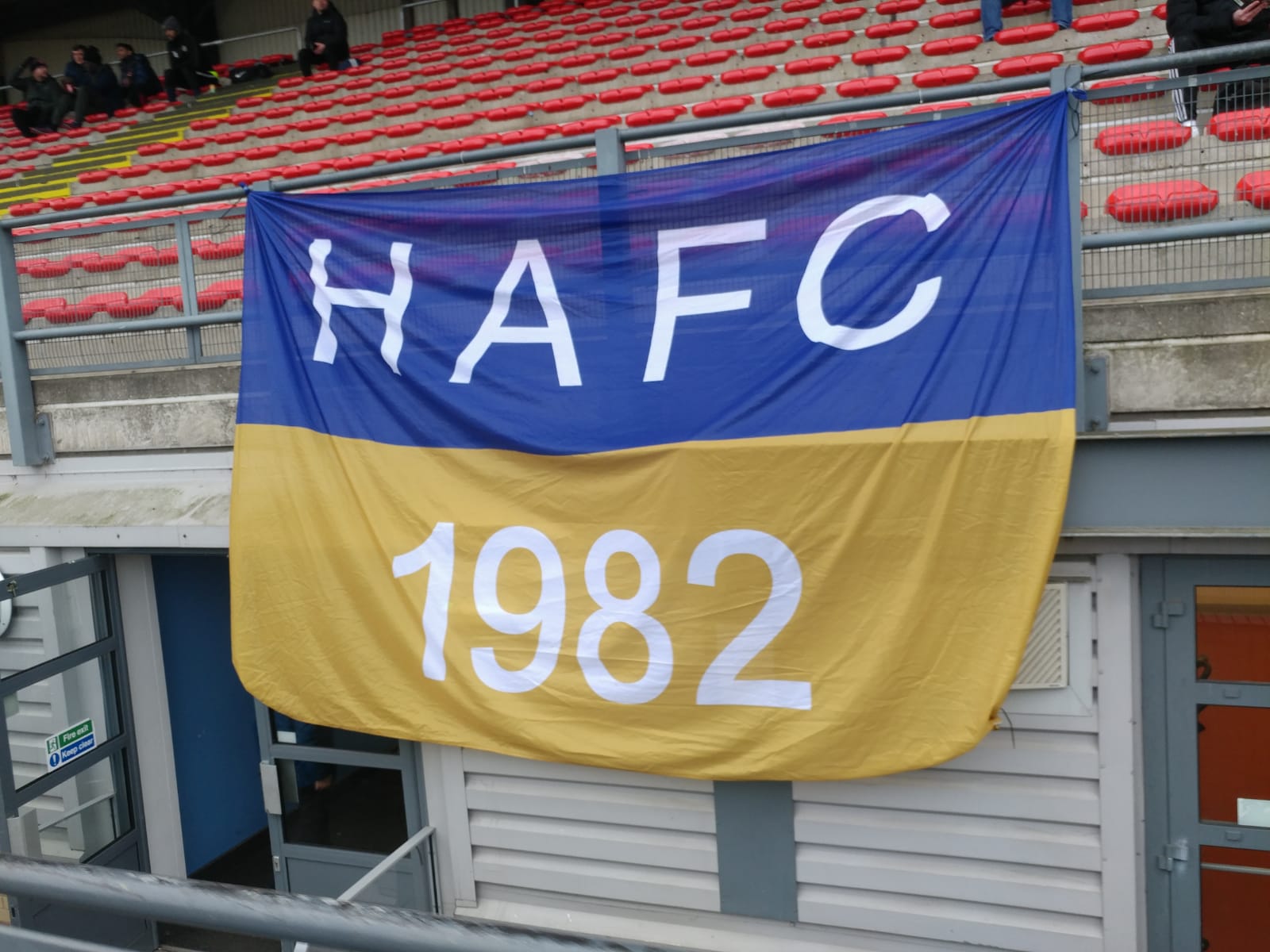
Location: Highgate, North London
League: Sunday Football League – London
Year Founded: 1982
Home Ground: St. Aloysius Playing Fields, London N6 5TX
This Season: 2nd in the Sunday Football League – London
Last Season:
- Barnet Sunday League Premier Division champions
- London Sunday Challenge Cup winners
- Middlesex FA Sunday Premier Cup winners
- Barnet Sunday League Roger Jones Senior Challenge Cup winners
- Barnet Charity Shield winners
- Barnet Sunday League Premier Cup – finalists
- FA Sunday Cup – quarter-finalists
Honours:
- 5 time Barnet Sunday League Premier Division champions (2016, 2018, 2019, 2021, 2023)
- London Sunday Challenge Cup winners (2023)
- Middlesex FA Sunday Premier Cup winners (2023)
- 3 time Middlesex FA Sunday Intermediate Cup winners:
- 2006 – beat North Harrow Home Guard 3-2
- 2009 – beat Red Star Camden 2-0
- 2022 (Reserve Team) – beat Ashford Town (Middlesex) 3-2
- Middlesex FA Sunday Junior Trophy winners (2022) – 4th team (beat NW Galacticos 4-2 on penalties after 1-1 draw at full time)
- 6 time Roger Jones Senior Challenge Cup winners (2015, 2016, 2019, 2021, 2022, 2023)
- Barnet Charity Shield winners (2023)
- FA Sunday Cup runners-up (2022)
- 2019 Middlesex Sunday Premier Cup runners-up (lost 1-2 to Middlesex County League (Sunday) champions Old Southall)
- 3 time Barnet Sunday League Premier Division runners-up (2015, 2017, 2022)

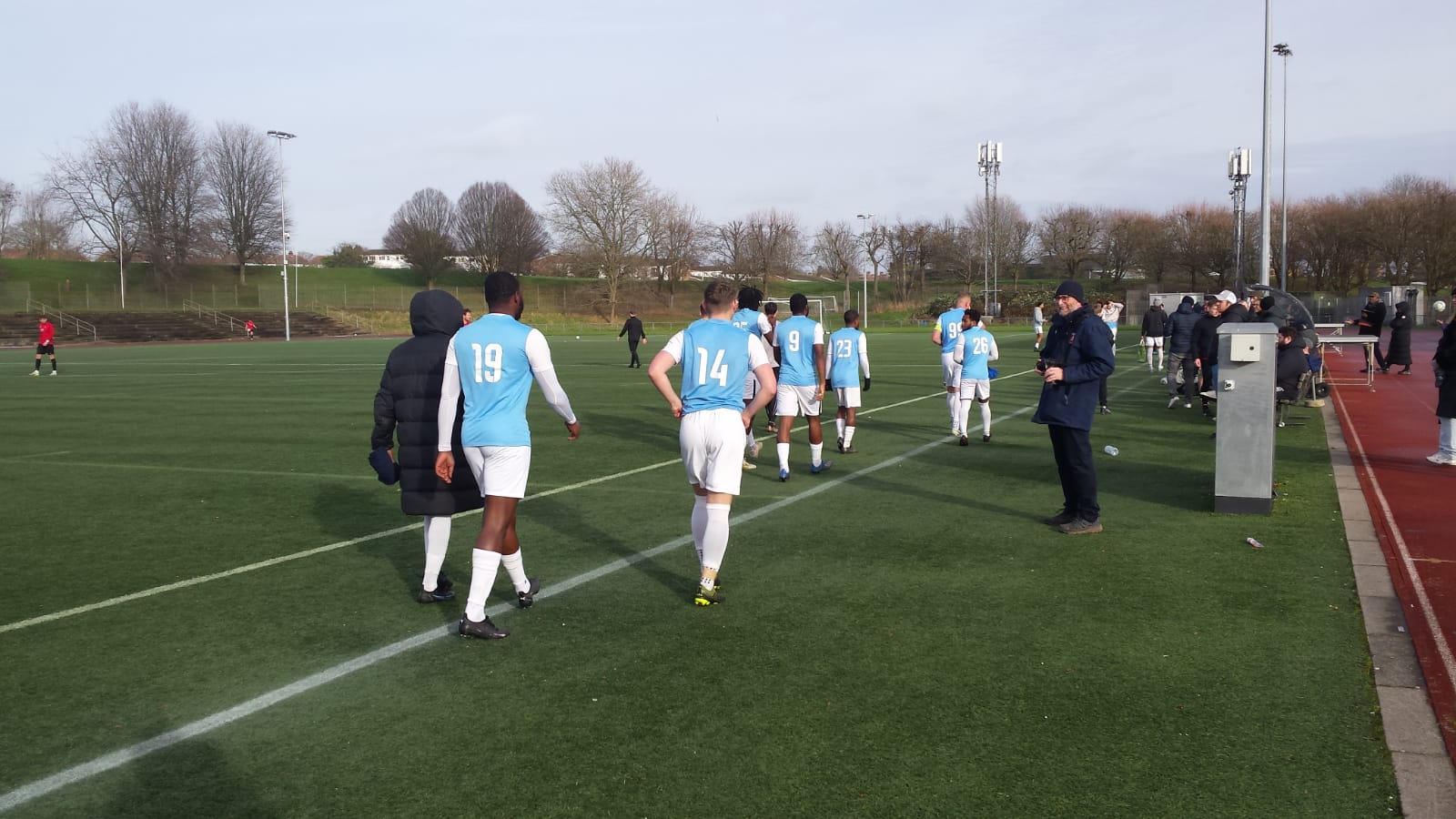
Best FA Sunday Cup Performance: 2022 (final)
Management Team:
Manager: Adam Shahein
Assistant Manager: Paul Leach
Captain: Ian Maitland
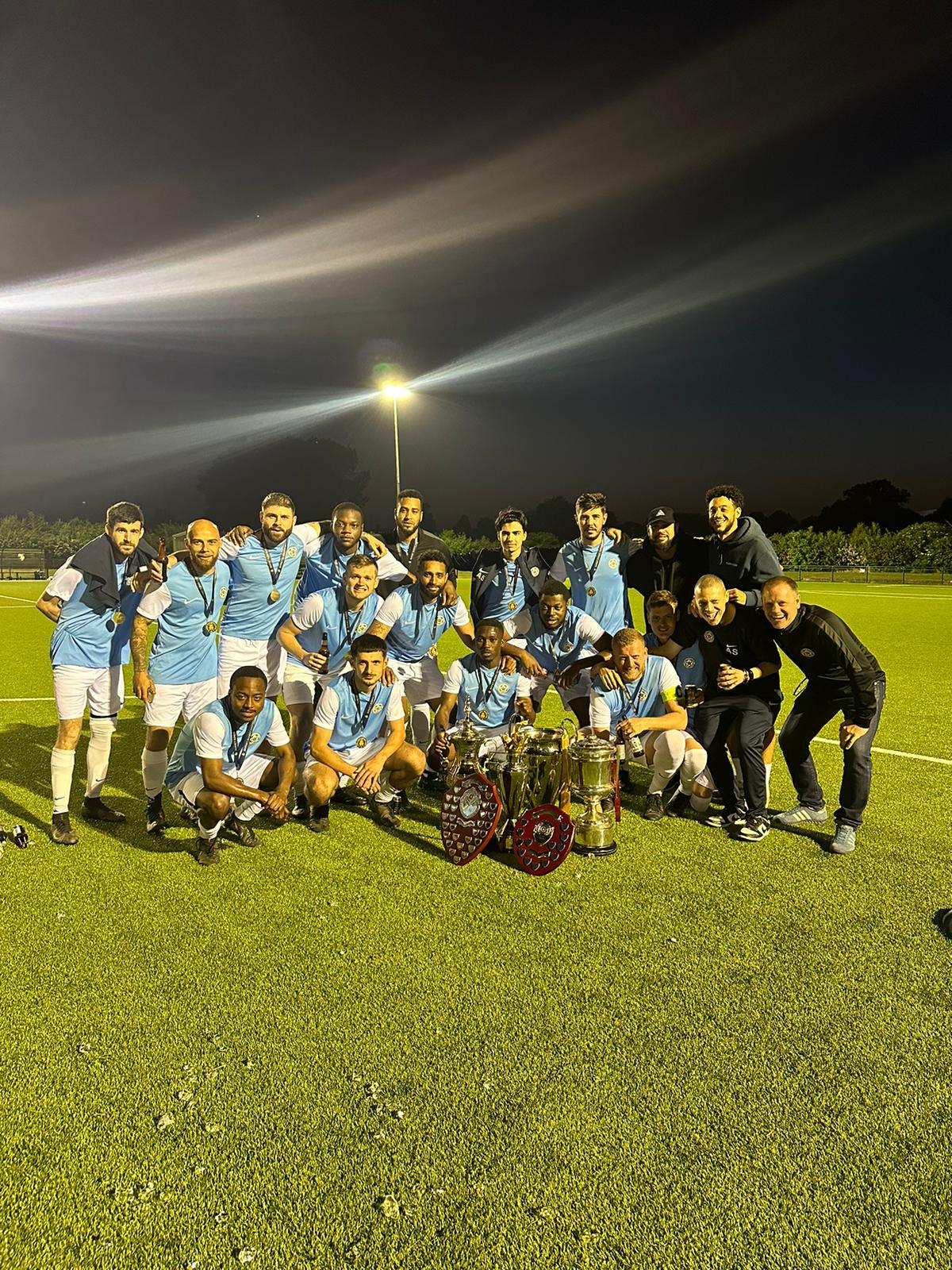
Highgate Albion may need a new trophy cabinet to house all the trophies it holds. Six months ago, Highgate Albion did something that no Sunday team from London had done for nearly 30 years: it won two different county cups. Not since Ranelagh Sports won the London Sunday Challenge Cup and Surrey FA Sunday Senior Cup in 1994, had any London team managed to win county cups in two different counties. In May last year, Highgate emulated that great Ranelagh Sports team by winning the Middlesex FA Sunday Premier Cup to add to the London Sunday Challenge Cup it won a month earlier.
Those were only 2 of the 5 trophies that Highgate Albion won last season. In addition to winning London’s and Middlesex’s senior county cups, Highgate also won the Barnet Sunday League’s Premier Division, the league’s Roger Jones Senior Challenge Cup, and the Barnet Charity Cup. Going into the closing months of the season, Highgate were on course to win six trophies! They became victims of their own success and faced a huge fixture pile-up towards the end of the season and had to play double headers (two different games against different opponents on the same day).
Highgate almost did a clean sweep in the Barnet Sunday League but narrowly lost 4-5 on penalties in the final of the Barnet Sunday League Premier Cup to their great rivals Olympia after a 0-0 draw during normal time. Highgate avenged that defeat by beating Olympia 4-1 in last season’s London Sunday Challenge Cup final, and beat Olympia again this season in the 2nd round of the Middlesex FA Sunday Premier Cup; when Highgate won 4-3 on penalties after a 2-2 draw during normal time.
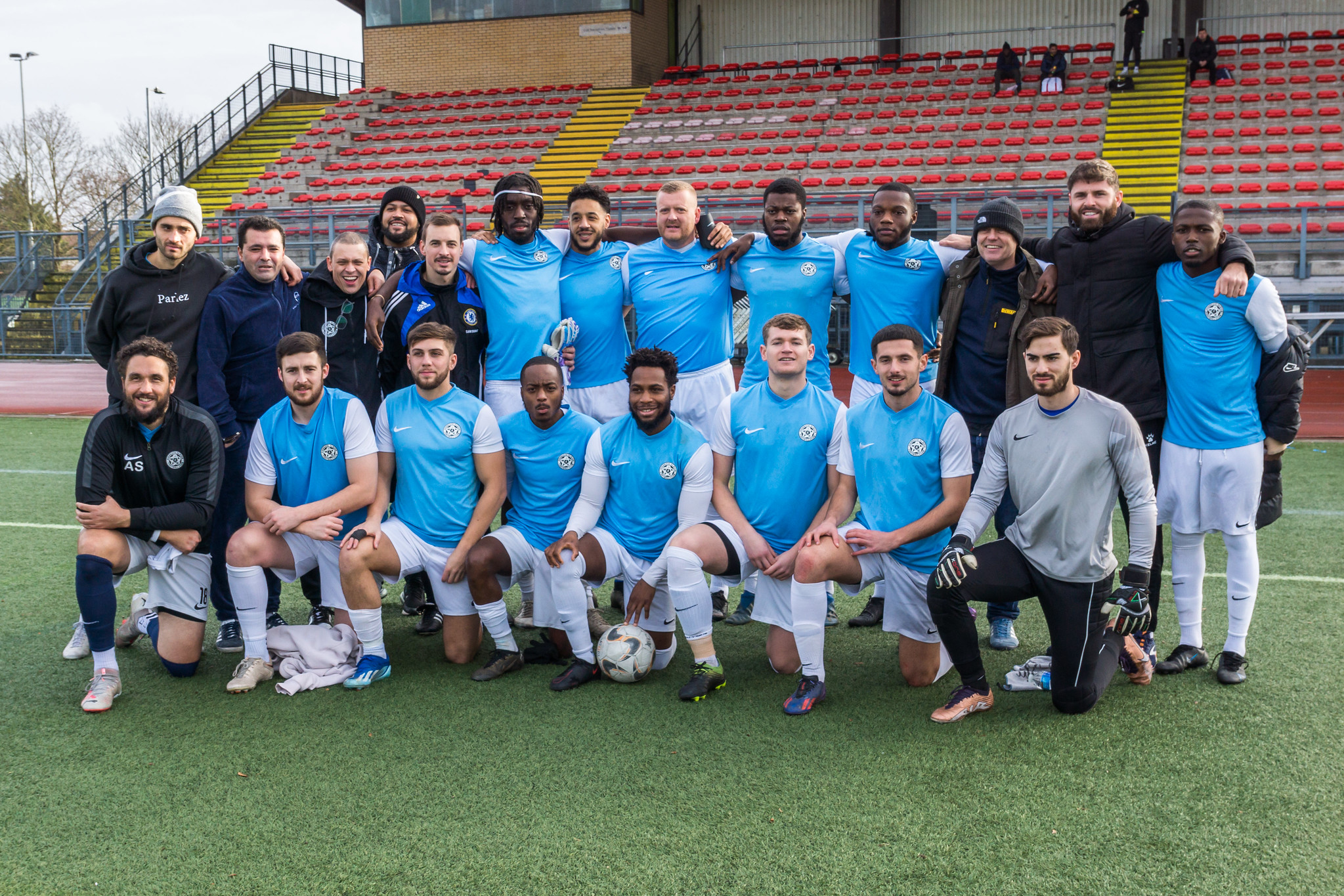

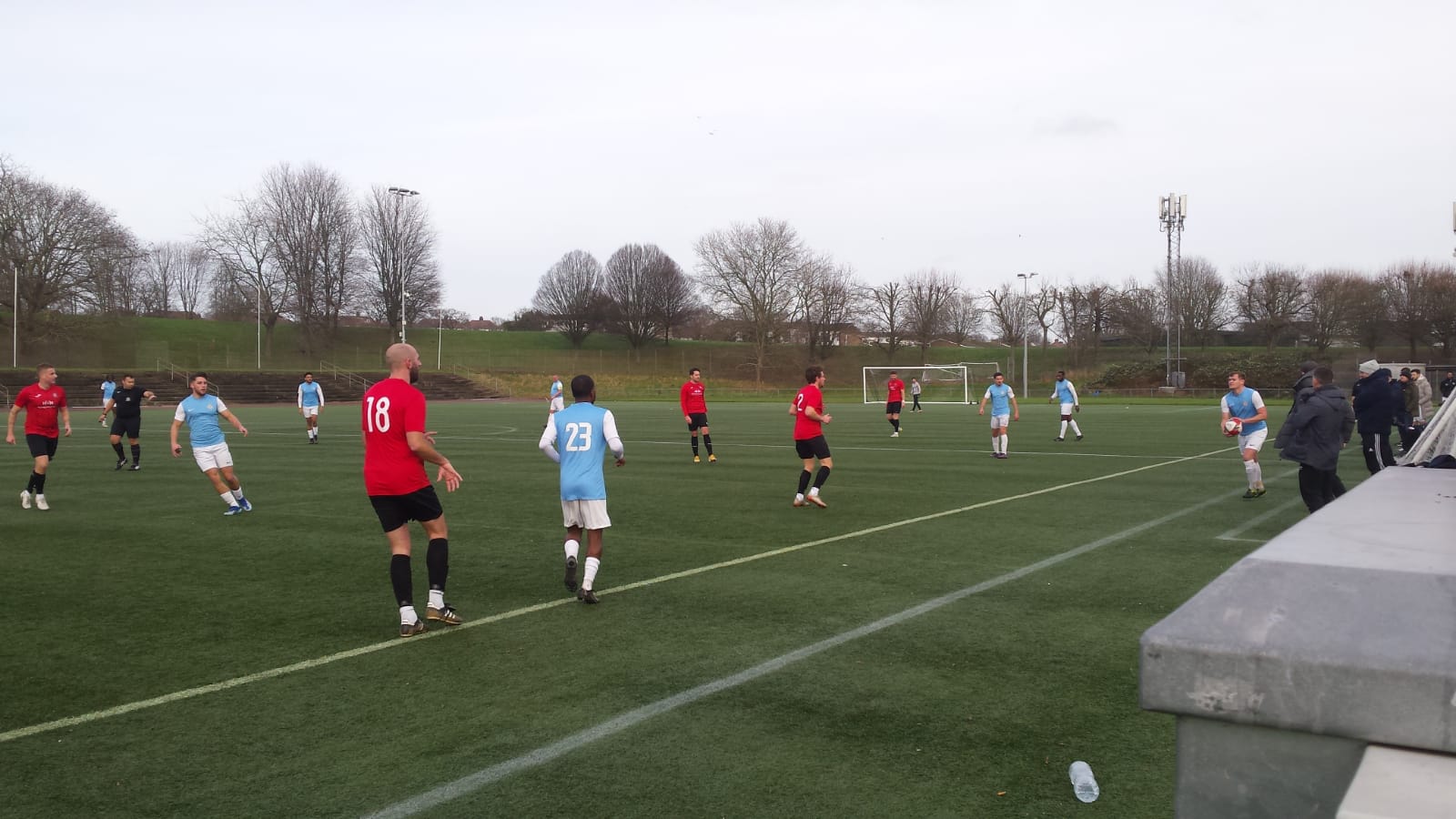
Highgate Albion’s Origins
Highgate first started playing 42 years ago in the Hendon & District Sunday League, but left that league 12 years ago when it folded it 2012 It joined the Barnet Sunday League in the 2012-2013 season. Highgate has won the Barnet Sunday League 5 times in the last 6 seasons, and finished first or second in every single season in the past 8 years.
Highgate moved to a new league this season (the SFL – London). The SFL’s light fixture schedule (teams play each other only once a season) allows Highgate to prioritise the FA Sunday Cup; which is the only trophy missing from its bulging trophy cabinet.
Highgate started this season how they finished the last: winning. Highgate is already through to the Middlesex FA Sunday Premier Cup final for the second successive season – where it will face its SFL London rivals AFC Hammersmith Town. This is the third time that Highgate has reached the final of this cup in the past 5 seasons. Highgate started its defence of the London Sunday Challenge Cup with an 8-0 demolition of Hendon United Sports Club in round 1. To put that victory into perspective, Hendon United Sports Club is usually the best team in the Maccabi GB Southern Football League, and won that league 6 times in 10 years between 2012 and 2022. Highgate has “lost” only one game this season; in round 2 of the London Sunday Challenge Cup on penalties. That sole blot on Highgate’s record this season was a 4-5 penalty shoot out defeat to London All Stars of the Essex Sunday Corinthian League after a chaotic 5-5 draw during normal time.
Highgate has a good record in the FA Sunday Cup. It reached the final in 2022; which was remarkable as it was only Highgate’s second season in the competition. In the 4 seasons that Highgate has entered the FA Sunday Cup, its “worst” performance was reaching the last 16 during its debut season in 2019-20.
Highgate had a tough route to the semi-final as it faced two teams from south London, another two from Hertfordshire, and a fifth from Essex. 3 of the 5 teams that it beat to reach this stage are either champions of their respective leagues or counties (Brentwood Sunday League champions Sungate, Berkamstead Sunday League champions Flaunden, Hertfordshire FA Sunday Senior Cup holders St Joseph’s (South Oxhey)), as well as the Plumstead Challenge Cup holders SE Dons.
Highgate has been winning even without its injured striker Jake Cass – who also plays semi-professionally on Saturdays for Enfield Town in the Premier Division of the Isthmian League (Step 3 of the football pyramid). Highgate also has strength in depth. When it faced Flaunden in round 3, its bench included 4 players who for semi-professionally for Step 4 Saturday clubs, and a goalkeeper who formerly played for a Step 5 Saturday club.
Of the 4 semi-finalists, Highgate Albion and Home Bargains are the only teams that have ever reached this stage of the competition before (the other semi-finalists AFC Hackleton from Northamptonshire and Trooper FC from Birmingham are playing in the FA Sunday Cup for the first time in their histories).
Being drawn against a team from Liverpool in this semi-final is a good omen for Highgate. When it reached the FA Sunday Cup final 2 years ago, its opponent Mayfair FC was from the same league and city as Home Bargains. In that 2022 semi-final, Highgate’s captain Ian Maitland scored a dramatic 93rd minute winning goal, as Highgate overturned a 0-2 deficit to beat Mayfair 3-2. The club dubbed Maitland’s goal as “the most important goal in the club’s history”.
9 members of the Highgate squad that reached the 2022 final are still at the club. Ironically, the 4th official in that 2022 final was Sunny Singh Gill (a Sikh referee who only 2 weeks ago became the first referee of south Asian descent to referee a Premier League match – when he refereed Crystal Palace v Luton Town).
The FA Sunday Cup will have a new winner this season as none of the 4 remaining teams has ever won it before. This should be an excellent match-up between two teams who are the best in their respective cities.
Highgate Albion’s route to this season’s Semi-Final:
| ROUND | OPPONENT | OPPONENT’S LEAGUE | SCORE | DATE | VENUE |
| 1 | Sungate | Brentwood Sunday League | 2-3 | October 8, 2023 | Ilford Wanderers RFC, Redbridge, Essex |
| 2 | South-East Dons | Sunday Football League – London | 2-1 | November 12, 2023 | Haringey Borough FC, White Hart Lane, London |
| 3 | The Wall | Sunday Football League – London | 4-1 | December 10, 2023 | Ware FC, Herts |
| 4 | Flaunden | Berkamstead Sunday League | 2-2 (7-6 on penalties) | January 21, 2024 | New River Sports Stadium, White Hart Lane, London N22 5SW |
| Quarter-Final | St Joseph’s | Watford Sunday League | 6-0 | February 25, 2024 | Hertford Town FC |
FA Sunday Cup Semi-Final Preview (Home Bargains v Highgate Albion) – Part 1
HOME BARGAINS –v- HIGHGATE ALBION

FA Sunday Cup Semi-Final
Date: Sunday, 24 March 2024
Kick-Off: 2pm
Location: Kidderminster Harriers, Aggborough Stadium, Hoo Road, Kidderminster, Worcestershire DY10 1NB
Since elite professional football gets so much attention, I like to write about areas of football that get overlooked. Among those is the FA Sunday Cup; an excellent but unheralded nationwide competition for the best Sunday football teams in England. For those who think Sunday football is a dumping ground for the unfit and overweight – think again. Teams and their players have to be seriously talented and fit to compete in this competition. Most players who play in it are ex-professionals or semi-professionals. Elliott Nevitt scored a late winning goal in extra time to give Campfield (from Liverpool) a 1-0 victory in the 2021 FA Sunday Cup final. A few weeks later Nevitt signed a professional football contract with Tranmere Rovers and won the League Two Player of the Season award in his first season as a professional footballer.
This season’s competition has reached the semi-final stage and one of the semi-final ties features a match-up between two teams who are the best Sunday teams from Liverpool and London respectively.
Home Bargains Football Club
Location: Liverpool
League: Merseyrail Business Houses League
Year Founded: 1988
Home Ground: Alder Road Sports Club (Pitch 2), Alder Road, Liverpool L12 2AY
This season: Top of the Merseyrail Business Houses League (5 points clear at the top of the table)
Last season: 7th place in the Merseyrail Business Houses League (out of 14 teams)
Honours:
4 time Merseyrail Business Houses League Premier Division champions
Best FA Sunday Cup Performance: 2017 (semi-finals)
Recent FA Sunday Cup performances:
2022-2023: Round 2
2021-2022: Round 1
2019-2020: Round 3
2018-2019: Round 1
2017-2018: Round 2
Management Team:
Manager: Brian Moogan
Assistant Manager: Joe Gibiliru
Liverpool and “The Nash”
As I have said before: “death, taxes, and Liverpool teams in the FA Sunday Cup final”. For Liverpool teams, it is all about “The Nash” (as they call the FA Sunday Cup). Liverpool teams have a remarkable record in this competition and have won it more than teams from any other city in England. After Lobster FC became the first team from Liverpool to win the FA Sunday Cup 45 years ago in 1979, Lobster’s victory started an amazing sequence of Liverpool success where teams from Liverpool won the competition that scousers call “The Nash” for 5 consecutive years. For them it is the Champions League of Sunday football. Oddly, Liverpool FC’s (the professional football team!) era of dominance in English professional football also overlapped with this era of Liverpool dominance in the FA Sunday Cup. Liverpool won the English Football League championship in 4 of the 5 successive seasons that Liverpool teams won the FA Sunday Cup. Those 5 cup wins were not isolated. That era of Liverpool success has continued into the present era as 10 different teams from Liverpool have won the FA Sunday Cup. Teams from Liverpool have been in two of the last three finals, and last year’s beaten finalists Aigburth Arms also play in the same league as the semi-finalist team I am previewing in this article.
If the FA awarded the FA Sunday Cup to the teams with the best names, then Liverpool teams would win the Cup every year! Lobster, Fantail, Dingle Rail, The Eagle, Almithak, Nicosia, and Oyster Martyrs are among the memorably named 10 Liverpool teams that have won the FA Sunday Cup. Liverpool’s only remaining representative in this season’s competition carries on the Liverpool tradition of having a memorable name.
47 years ago a Liverpool businessman named Tom Morris opened a shop called Home and Bargains in Liverpool. Back in 1976, Morris was only 21 years old. Today he is a multi-billionaire and the shop he opened now generates £2.5 billion in revenue, has over 500 branches, and over 20,000 employees. The company also sponsors football teams such as Bolton Wanderers, Tranmere Rovers, and…a Sunday football team named Home Bargains FC!
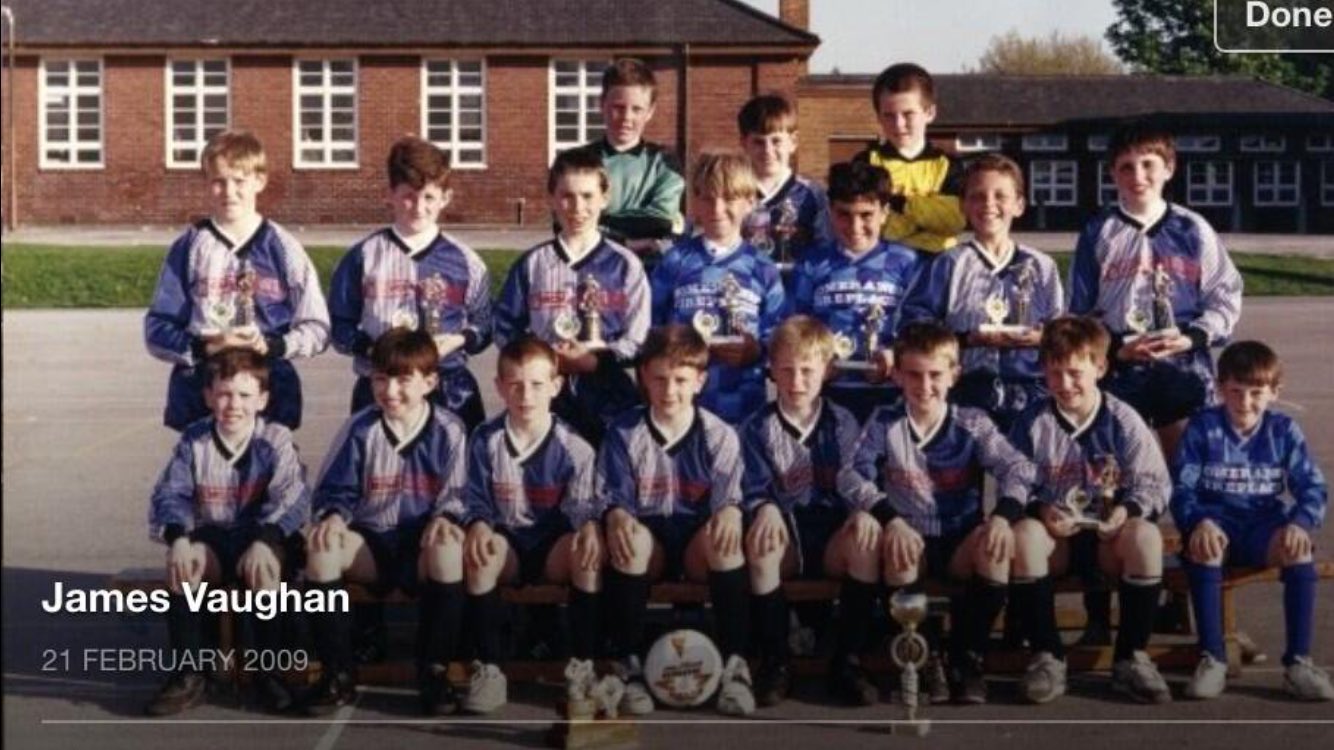
Home Bargains originally started in 1988 as a youth team called St Brendan’s Juniors in the Tuebrook Junior Football League. Most of the original players were boys who attended St Oswald’s Catholic Primary School or Cardinal Heenan Catholic School (where Steven Gerrard went to school) in Liverpool. The Daily Mirror newspaper sponsored the club at one point, and as the boys playing for St Brendan’s Juniors youth team grew up, they moved up to the under 13s section of the Edge Hill Junior Football League, then to the West Derby Junior Football League, and then to the under 18s section of the South Merseyside Youth League (winning multiple trophies along the way). At each stage they still had the same core of players who attended St Oswald’s and Cardinal Heenan schools.
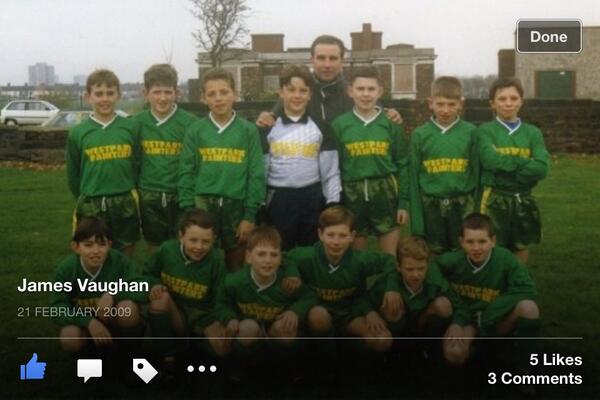
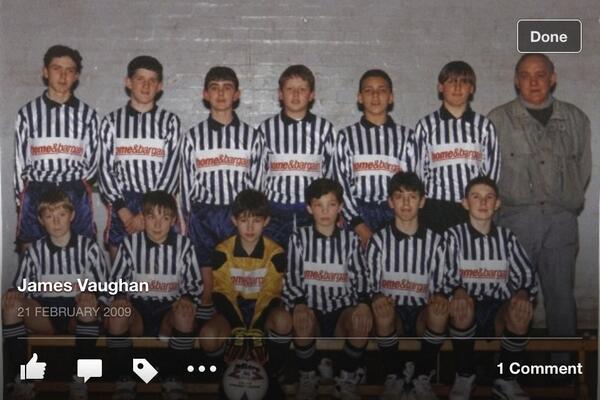
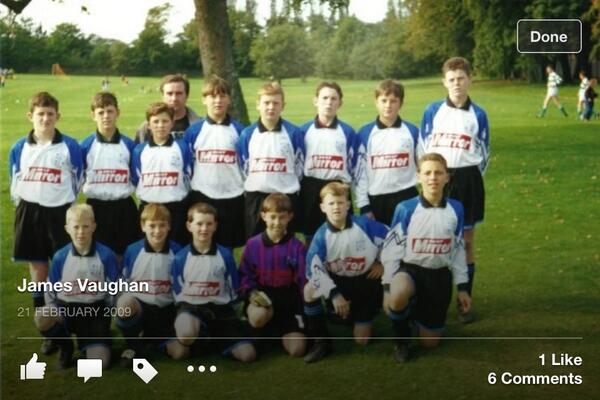
Home and Bargains FC was born when one of the boys’ parents walked into shops in the Old Swan shopping area of Liverpool looking for sponsors, and secured sponsorship from Home and Bargains. When the boys became adults, they started playing men’s football in the Liverpool Business Houses League. The club eventually changed its name (twice) and followed its sponsor by changing its name to “Home and Bargains” and later condensed it to Home Bargains. Jim Vaughan (also an alumnus of Cardinal Heenan Catholic School) was the club’s first manager, and later became its chairman. His son James Vaughan later became the club’s manager and for several years the father and son duo Jim and James Vaughan managed the club and served as the club’s chairman and secretary, respectively.
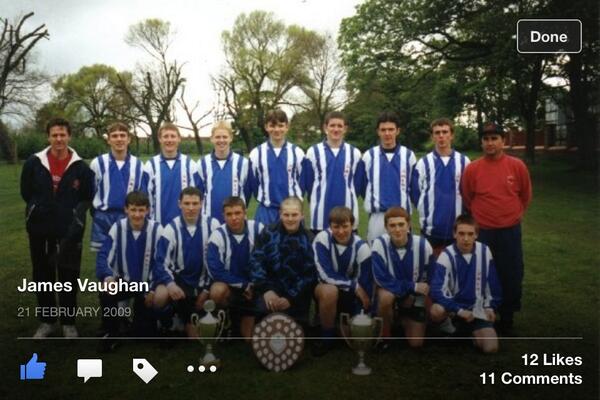

“The Bargain” (as they are nicknamed) has long experience in this competition. It has been entering this cup for the past 19 years and was good enough to reach the semi-final in 2017. Incredibly, 6 members of the original St Brendan’s Junior’s youth team were still in the squad when Home Bargains reached that semi-final decades later. Although Home Bargains lost that semi-final 1-3 to the eventual winners Hardwick Social from Stockton (and ironically lost again 0-1 to Hardwick Social in round 3 of the following season’s competition, as Hardwick Social won the FA Sunday Cup for a second successive season), others involved with Home Bargains have won the FA Sunday Cup.
Home Bargains’ assistant manager Joe Gibiliru won the FA Sunday Cup at Anfield 20 years ago while playing for Nicosia (another team from the Liverpool Business Houses League). Gibiliru scored in the final and won the cup alongside his dad Joe Gibiliru Sr who was Nicosia’s player manager. Current West Ham United first team coach and former Bolton Wanderers midfielder Kevin Nolan has also worked as Nicosia’s assistant manager, chairman, and sponsor. Home Bargain’s current manager Brian Moogan was in the Liverpool and Everton youth academies during his playing days before Everton released him in 2004. Moogan later played for, and captained, Vauxhall Motors when it was playing at Step 2 of the football pyramid in the Conference North. He also previously played in the FA Sunday Cup for Canada FC; also of the Liverpool Business Houses League.
Home Bargains currently has a 5 point lead at top of the Merseyrail Business Houses League’s Premier Division (which prides itself as the toughest Sunday league in Britain). It has several players with good pedigree and experience of playing for Saturday non-league clubs. Its prolific striker Will Dunne (who scored 5 goals in Home Bargains’ 3rd round 6-0 victory over Olympic FC from Bradford) plays on Saturdays for Vauxhall Motors in Division 1 West of the Northern Premier League (Step 4). This is a good omen one of the FA Sunday Cup’s most famous names; Leighton McGivern, also played for Vauxhall Motors on Saturdays when he won the FA Sunday Cup with Liverpool club Oyster Martyrs in 2011 and 2013.
Home Bargains’ opponent Highgate Albion will have its work cut out as Home Bargains has scored 18 goals in the 5 games it played en route to the semi-final this season, and conceded only 2 goals. Home Bargains record this season is all the more impressive when one considers that 3 of the 5 teams that Home Bargains beat to reach this stage are champions of their respective leagues (including Birkenhead Sunday League champions AFC Dock, Bradford Sunday Alliance League champions Olympic, and Manjaros Langbaurgh League (Middlesbrough, Redcar, and Cleveland areas) champions and two-time consecutive North Riding FA Sunday Cup winners Belle Vue Rovers – who moved to the Stockton Sunday League this season).
Home Bargains’ Route to the Semi-Final:
| ROUND | OPPONENT | OPPONENT’S LEAGUE | SCORE | DATE | VENUE |
| 1 | Dock | Birkenhead Sunday League | 5-1 | October 8, 2023 | Vauxhall Motors FC (Cheshire) |
| 2 | Greenhoffs | Coors Sunday League | 2-0 | November 12, 2023 | Kidsgrove Athletic FC (Staffordshire) |
| 3 | Olympic | Bradford Sunday Alliance League | 6-0 | December 10, 2023 | Heron Eccles Football Hub (Liverpool) |
| 4 | The Brow | Merseyrail Business Houses League | 3-1 | January 21, 2024 | Alder Sports Club |
| Quarter-Final | Belle Vue Rovers | Stockton Sunday League | 2-0 | February 18, 2024 | Stockton Town FC (Durham) |
In the next part of this article, I will preview Home Bargains opponents: the trophy collecting machine from north London otherwise known as Highgate Albion. You can read part 2 of this article at this link.
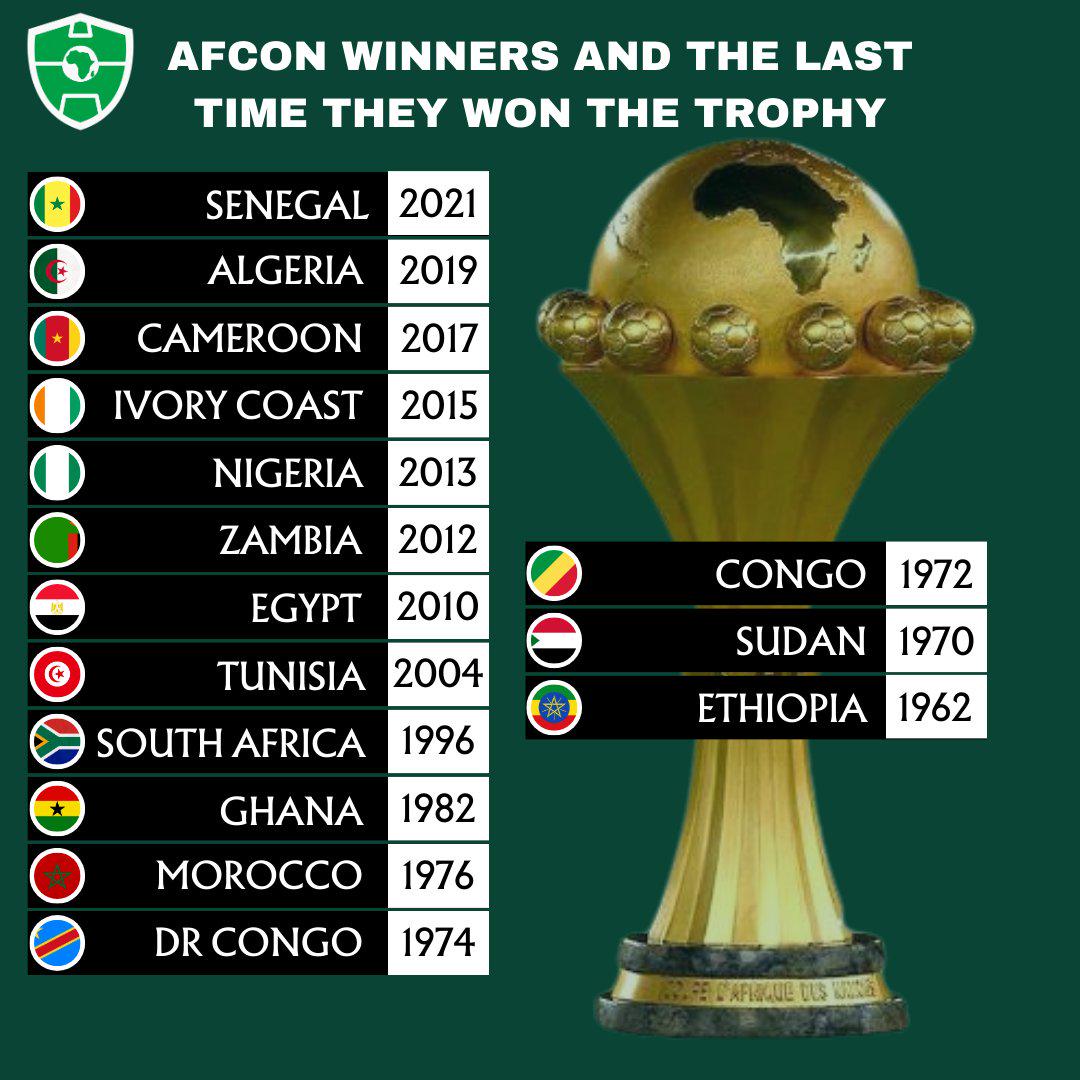
🏆 The Strange Curse of the #AFCON Winners 🏆
When South Africa eliminated defending AFCON champions Senegal last week it continued a “jinx” on AFCON champions that has been going on for the past two decades. In the last 14 years no AFCON champion has managed to reach the quarter-finals of the next AFCON tournament (some have not even qualified for the next AFCON tournament).
2010 winner: Egypt 🇪🇬 (did not qualify for 2012 AFCON)
2012 winner: Zambia 🇿🇲 (eliminated in group stage at 2013 AFCON)
2013 winner: Nigeria 🇳🇬 (did not qualify for 2015 AFCON)
2015 winner: Ivory Coast (eliminated in group stage of 2017 AFCON)
2017 winner: Cameroon 🇨🇲 (eliminated in 2nd round of 2019 AFCON)
2019 winner: Algeria 🇩🇿(finished bottom of its group in 2021 AFCON)
2021 winner: Senegal 🇸🇳 (eliminated in 2nd round of 2024 AFCON)
Video Highlights and Match Report: Highgate Albion v Flaunden (FA Sunday Cup)
HIGHGATE ALBION V FLAUNDEN
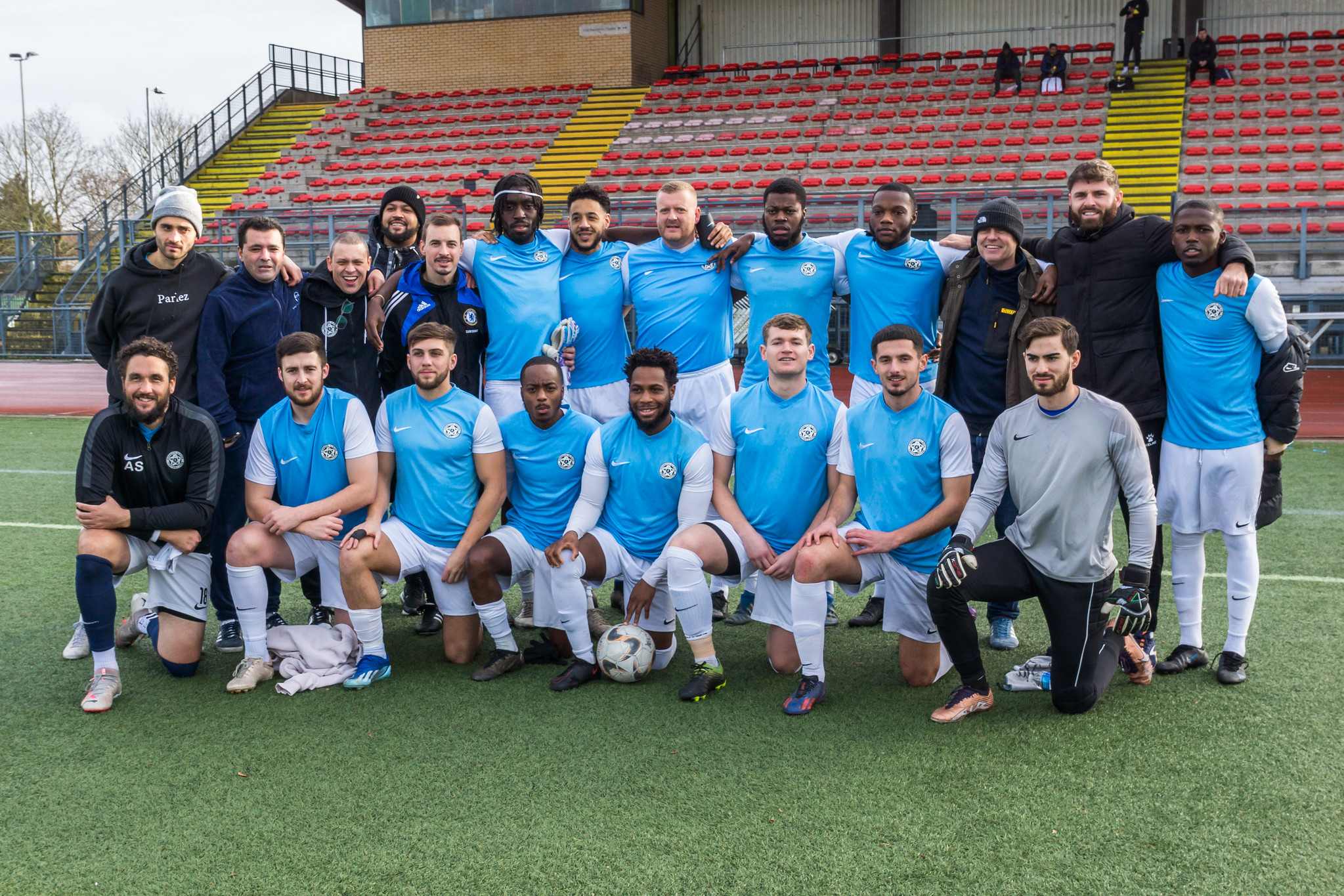
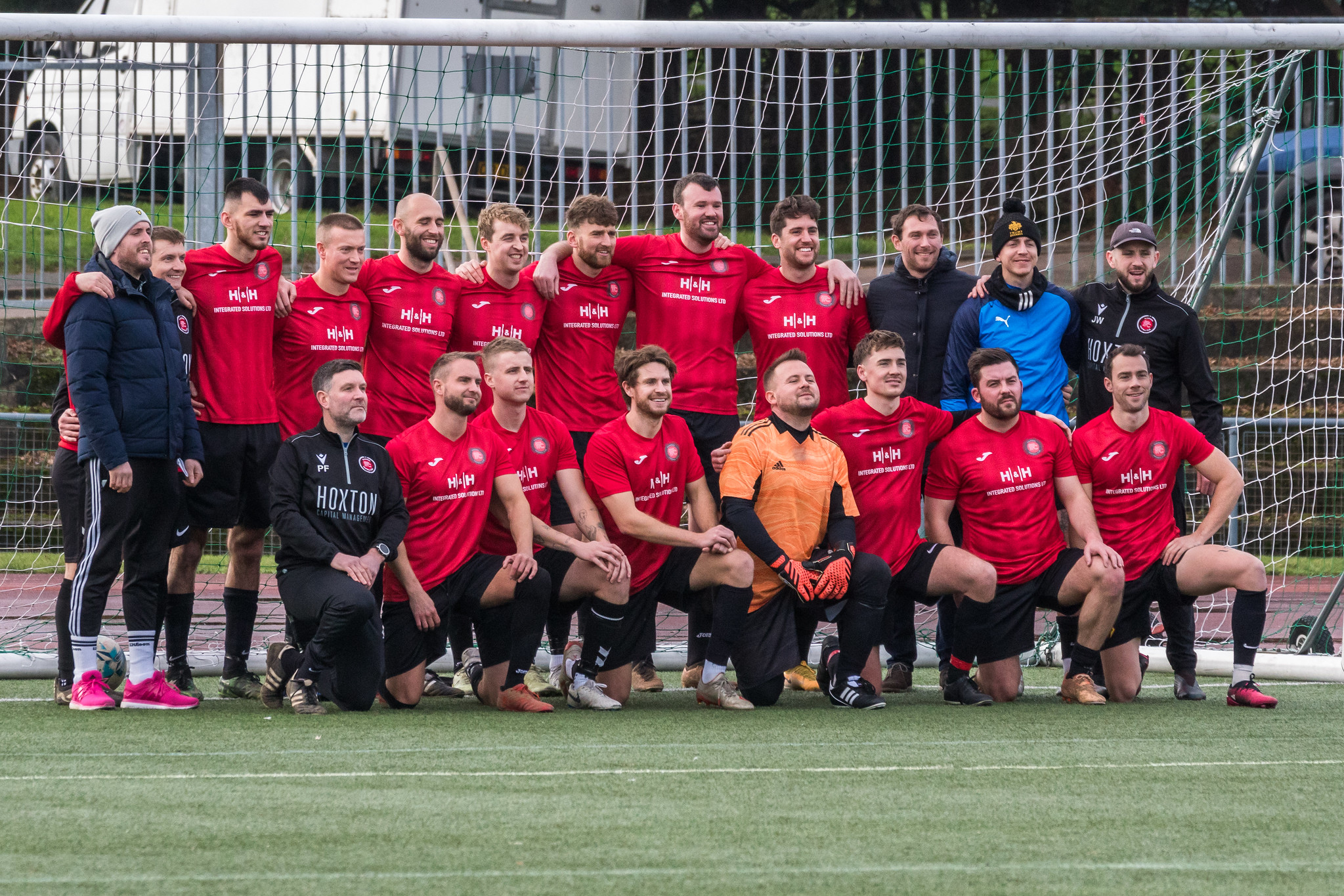
Competition: FA Sunday Cup, Round 4
Date: Sunday January 21, 2024 (1:25pm Kick-Off)
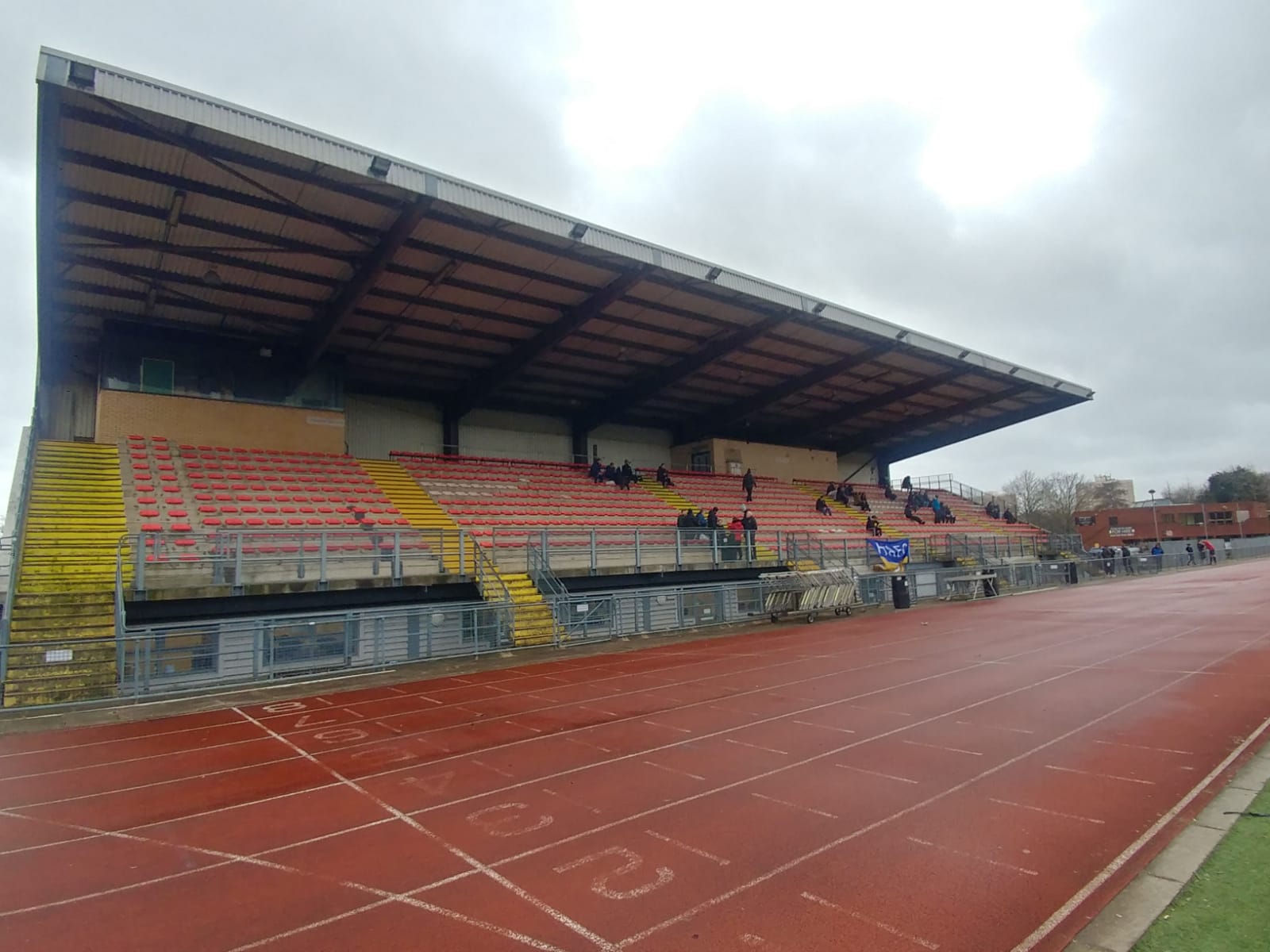
Venue: New River Sports Stadium, White Hart Lane, London N22 5SW
This 4th round FA Sunday Cup tie brought together; two teams who are champions of their respective leagues. The FA Sunday Cup is like the Champions League of Sunday football, and features the best Sunday teams from across England. For those who think Sunday football is “pub football” and that Sunday football is a dumping ground for the overweight and unfit – think again. The FA Sunday Cup is essentially semi-professional football, and most teams at this stage of the competition would comfortably hold their own in a Step 4 league (and maybe higher) anywhere across Britain. Most of the players who played in this match also play for semi-professional clubs on Saturdays; for clubs playing as high as Steps 3-5 in the football pyramid. A spectator who watched a game in this competition several years ago confessed: “I was very, very, very shocked just how good the football was”.
HIGHGATE ALBION
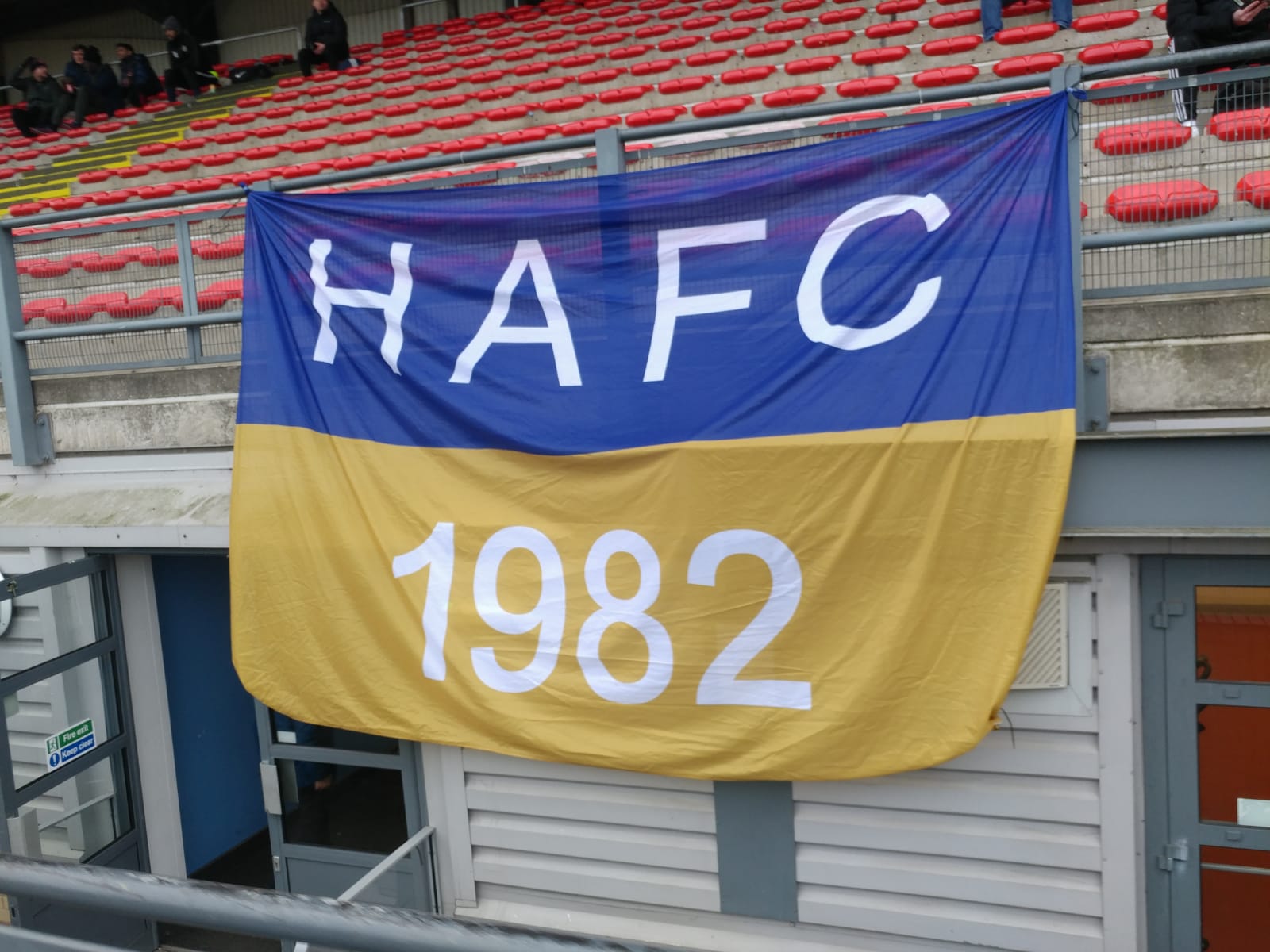
The home team Highgate Albion is from north London and won the Barnet Sunday League last season (for the 5th time in the past 6 seasons). Last season, Highgate Albion also did something that no London Sunday team had done for nearly 30 years. Not since Ranelagh Sports won the London Sunday Challenge Cup and the Surrey FA Sunday Premier Cup in 1994 had any London team managed to win county cups in two different counties. Then Highgate Albion came along…
In May last year, Highgate emulated that great Ranelagh Sports team by winning the Middlesex FA’s Sunday Premier Cup to add to the London Sunday Challenge Cup it won a month earlier. Those two cups were among the five trophies that Highgate won last season (in the club’s 40th anniversary season). Highgate Albion reached the FA Sunday Cup final in 2022 and went into this tie seeking to reach the FA Sunday Cup quarter-final for the third consecutive season.
This season Highgate left the Barnet Sunday League to join the Sunday Football League – London (SFL). Highgate made this move in order to prioritise the FA Sunday Cup; which the SFL’s light schedule (teams play each other only once per season) will help them to do.
Highgate were without two key strikers for this game: Leon Lobjoit (a prolific striker who scored 60 goals in 50 games for Spartan South Midlands Premier Division champions Leighton Town last season), and powerful striker Jake Cass (who plays semi-professionally at Step 3 on Saturdays for Enfield Town in the Isthmian League Premier Division). Cass is recuperating after surgery on an achilles injury, and although he could not play, he instead supported Highgate as a member of its coaching team.
Despite Lobjoit and Cass not being available, Highgate fielded a very strong squad filled with players who play semi-professional football for Saturday teams who play at Steps 3-5 of the football pyramid (as well as goalkeeper Charlie Taylor who has played international football for Panama`s under-20 team):
| SHIRT NUMBER | POSITION | NAME | SATURDAY CLUB | LEAGUE | STEP |
| 1 | GK | Charles Taylor | Hadley | Southern League Division 1 Central | 4 |
| 45 | RB | Matthew Hermes Gbio | Hanworth Villa | Isthmian League South Central Division | 4 |
| 99 | CD | Ian Maitland (c) | N/A | N/A | N/A |
| 17 | CD | Alvin Kyeremeh | Hadley | Southern League Division 1 Central | 4 |
| 14 | LB | Teddy Stacey | Northwood | Isthmian League South Central Division | 4 |
| 4 | CM | Lonit Talla | Harrow Borough | Southern League Premier Division South | 3 |
| 8 | CM | Pele Riley | N/A | N/A | N/A |
| 11 | AM | Luke Alfano | Hadley | Southern League Division 1 Central | 4 |
| 20 | RW | Solomon Ofori | Hullbridge Sports | Essex Senior League | 5 |
| 23 | LW | Tage Kennedy | Haringey Borough | Isthmian League Premier Division | 3 |
| 9 | CF | Excellence Muhemba | Harrow Borough | Southern League Premier Division South | 3 |
| SUBSTITUTUTES | |||||
| 6 | CD | Harry Gallagher | Northwood | Isthmian League South Central Division | 4 |
| 24 | CM | Shehzad Anwar | Hadley | Southern League Division 1 Central | 4 |
| 7 | Richard Kofi-Ennin | Ware | Southern League Division 1 Central | 4 | |
| 10 | CM | Hamza Semakula | Hendon | Isthmian League, Premier Division South | 4 |
| 1 | GK | Alexandru Gavriloaia | N/A | N/A | N/A |
| 5 | Aaron Scott | N/A | N/A | N/A | |
FLAUNDEN

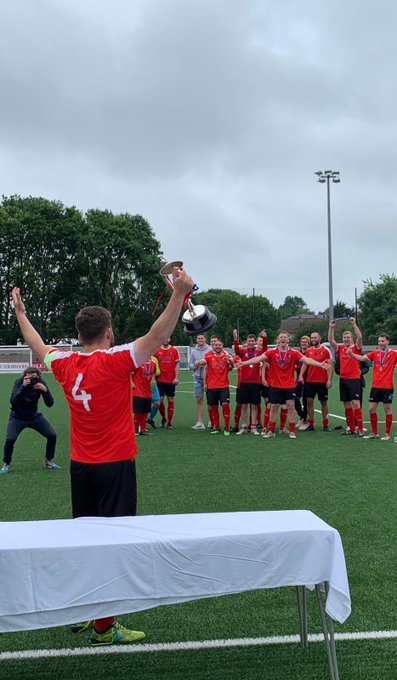
The away team Flaunden is from the village of Flaunden in Hertfordshire. Flaunden is the champion of the Berkamstead Sunday League – which Flaunden won last season without losing a league game. That title win was Flaunden’s second consecutive title win and the third time it won the Berkamstead Sunday League in the past six seasons. Flaunden was seeking to become the second Berkamstead Sunday League team to win the FA Sunday Cup after Aylesbury Flooring who won it in 2019.
Both Flaunden and Highgate have long histories. While this season is Highgate Albion’s 41stt season, Flaunden has been in existence for over 30 years under a variety of predecessor names such as “Classic Envelopes” and “Green Dragon Flaunden”. The three time Berkamstead Sunday League champions travelled down to the New River Sports Stadium in north London to face Highgate in a London v Hertfordshire cup tie. Flaunden brought an impressively large number of supporters, and despite being the away team, they had more supporters in the stadium than Highgate did! Their supporters were also noisier.
Like Highgate, Flaunden’s squad also includes several players who play semi-professionally on Saturdays for clubs at Steps 3-5 of the football pyramid, as well as some players who play for Bovingdon on Saturdays in Division 2 of the Spartan South Midlands League. These include striker Matt Bateman who is the captain of Berkamsted FC who play in the Southern League Premier Division Central (Step 3) and central defender Ed Canham who also plays for Berkamsted. Both players won the Southern League Division 1 championship and Hertfordshire Senior Cup with Berkamsted last season.
Some of their other players also formerly played for high level semi-professional Saturday clubs (such as James Potton who formerly played Step 3 football for Enfield Town and Royston Town).
| SHIRT NUMBER | NAME | SATURDAY CLUB | LEAGUE | STEP |
| 1 | Dan Nash | N/A | N/A | N/A |
| 2 | Alex Marsh | Bovingdon | Spartan South Midlands League, Division 2 | 7 |
| 3 | Sam Wiltshire | N/A | N/A | N/A |
| 5 | Ryan Anthony (c) | N/A | N/A | N/A |
| 22 | Ed Canham | Berkamsted | Southern League Premier Division Central | 3 |
| 10 | Ross Adams | Bovingdon | Spartan South Midlands League, Division 2 | 7 |
| 14 | James Powell | Mickleover | Southern League Premier Division Central | 3 |
| 8 | James Potton | N/A | N/A | N/A |
| 9 | Matt Bateman | Berkamsted | Southern League Premier Division Central | 3 |
| 20 | Haydn Cassidy | Bovingdon | Spartan South Midlands League, Division 2 | 7 |
| 18 | Tom Franklin | N/A | N/A | N/A |
| SUBSTITUTES | ||||
| 20 | Alex Thompson | N/A | N/A | N/A |
| 17 | Ben Davis | N/A | N/A | N/A |
| 19 | Jack Heaslip | N/A | N/A | N/A |
| 23 | Tom Brice | N/A | N/A | N/A |
| 4 | Matt Dean | N/A | N/A | N/A |
| 15 | Luke Marsh | Bovingdon | Spartan South Midlands League, Division 2 | 7 |
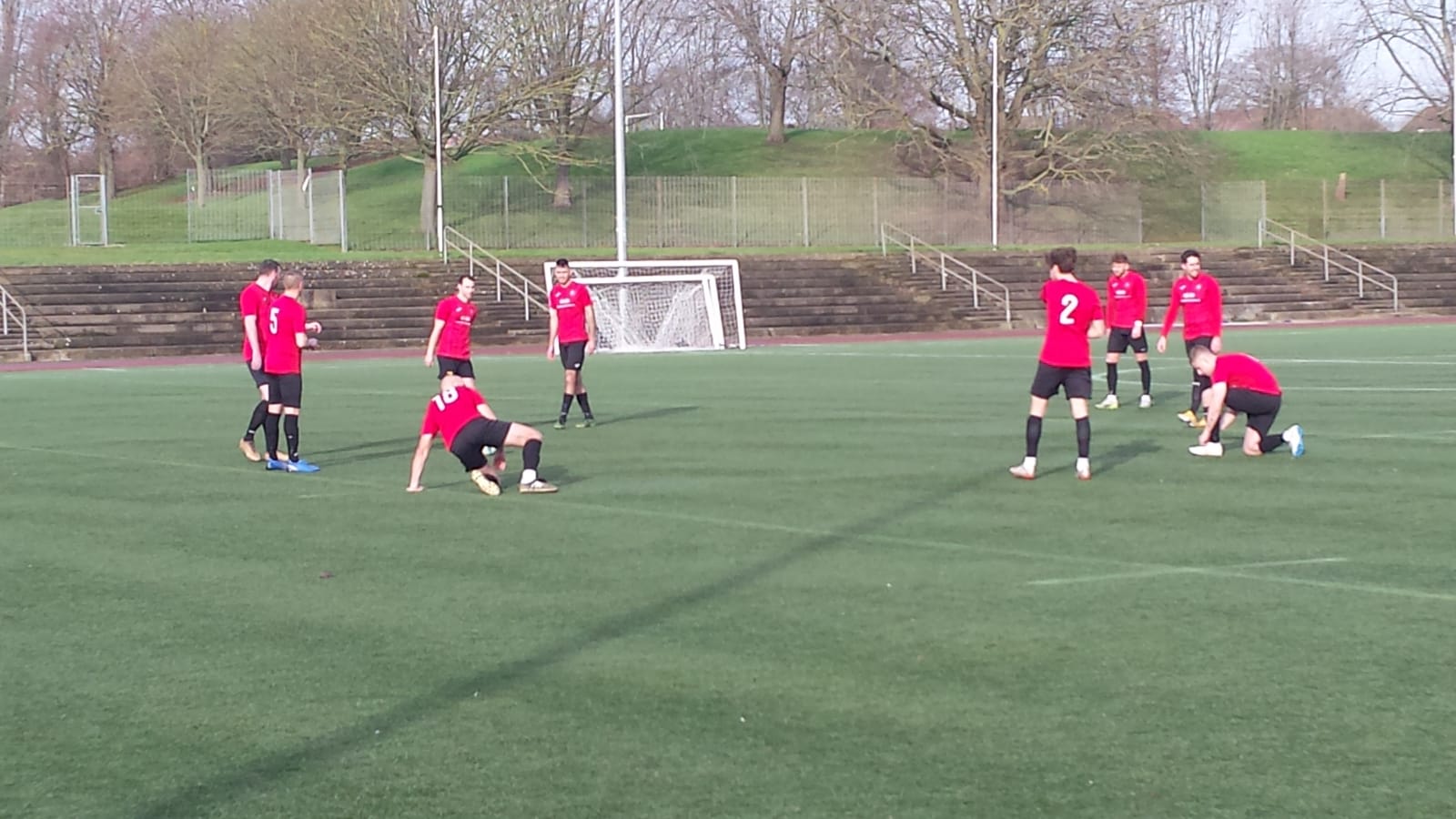
In FA Sunday Cup matches, the officials usually lead the two teams out onto the pitch, line them up Champions League style, and then have one team walk past the other and shake hands. Flaunden did not seem bothered with this pre-match ritual and instead went onto the pitch to warm up without the officials or Highgate. The officials instead awkwardly led Highgate onto the pitch while Flaunden continued warming up and generally ignored them. By the time the officials and Highgate arrived on the pitch, Flaunden had already lined up in formation ready to play, and reminded the referee that he was late. The match was scheduled to kick-off at 1:15pm, but started 10 minutes late at 1.25pm.
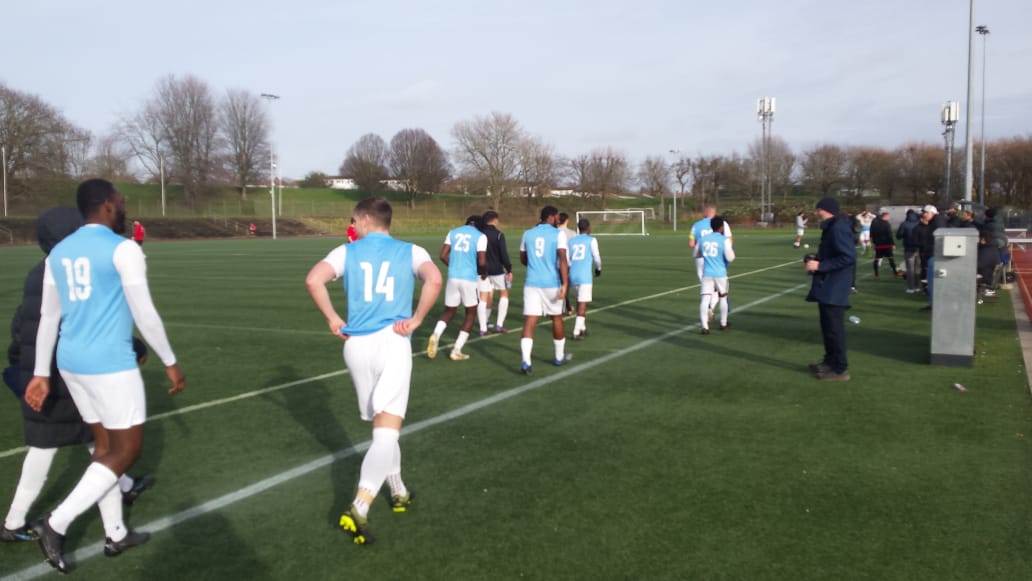
THE GAME
Highgate almost took the lead in the 15th minute when midfielder Luke Alfano hit the crossbar with a fierce left footed shot from the “D” 20 yards out from goal. Alfano hit his shot so hard that the Flaunden goalkeeper Danny Nash did not have time to get his hands up to try and stop it.
Flaunden’s first opportunity came in the19th minute when Flaunden’s James Powell ran through the inside left channel behind Highgate’s defence and as Highgate right back Hermes Matthew Gbio challenged him, Powell fell on the edge of the Highgate penalty area. The referee refused to award a free kick to Flaunden (much to the consternation of Flaunden’s players and coaching team). Had the referee awarded a free-kick he would also have had a bigger decision to make as he would probably have had to send off Gbio who was the closest Highgate player to Highgate’s goal and a foul would have been deemed a straight red card for Gbio for denying an obvious goal scoring opportunity.
1 minute after this controversial incident Hightgate striker Excellece Muhemba ran down the right wing with the ball and cut back the ball back to Solomon Ofori who shot from inside the area but the Flaunden goalkeeper saved. In the 23rd minute Highgate played a great passing move that started from their defence with center back Alvin Kyeremeh who passed the ball into midfield to left winger Tage Kennedy near the left touchline. Kennedy played a first time reverse pass infield to striker Excellence Muhemba who played in Ofori (who had made a crossfield run from the right wing into the inside left channel). Ofori ran into the penalty area and fired a left footed shot into the top right hand corner of the Flaunden net to put Highgate 1-0 up in the 20th minute.
1 minute after Highgate took the lead, Muhemba curled a shot from the right edge of the Flaunden penalty area. Just as the ball looked like it was heading into the top left hand corner, Flaunden’s goalkeeper Danny Nash produced an excellent save to tip the ball wide. From the resulting corner Highgate’s captain Ian Maitland challenged for a header, and as the ball bobbled loose, it hit the post as several players on both sides scrambled to reach it. In the 27th minute Muhemba again made the Flaunden goalkeeper work when he hit a shot from the edge of the area which the keeper Nash tipped over the crossbar. At this stage, it was one-way traffic in Highgate’s favour and Flaunden struggled to threaten Highgate’s goal.
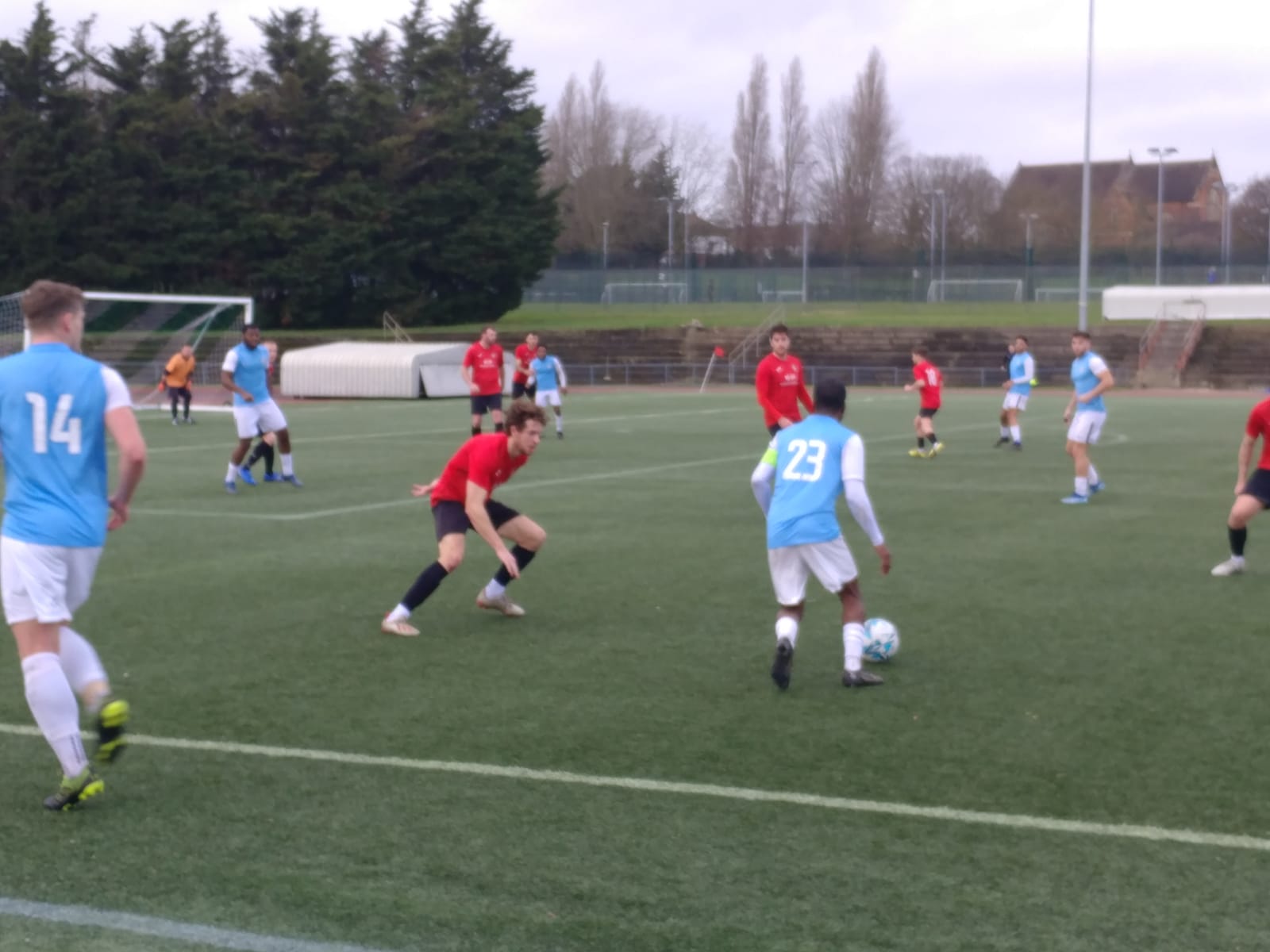


Flaunden got a boost when after a rare attack down Highgate’s right flank, Highgate’s captain and central defender Ian Maitland got injured after sprinting back to keep up with Flaunden’s left winger. As Maitland limped, Flaunden fired in a goalbound shot which unfortunately smashed against the back of another Flaunden player and ricocheted wide for a goal kick. Maitland went down after this move and immediately came off injured in the 31sth minute. Harry Gallagher (who also plays semi-professionally on Saturdays for Northood in the Isthmian League’s South Central Division (Step 4)) replaced him. Gallagher scored the winning goal in Highgate’s 2nd round match against South-East Dons. Tage Kennedy took the captain’s armband from Maitland.
In the 34th minute Highgate worked the ball to Muhemba on the edge of the area, but he shot over the bar instead of passing the ball to right winger Solomon Ofori to his right – who was much better placed. Ofori gave Muhemba a piece of his mind for his poor decision making. In the 39th minute Highgate’s left winger Tage Kennedy (who also plays for Haringey Borough on Saturdays in the Isthmian League, Premier Division (Step 3)) squared the ball for midfielder Lonit Talla; who hit a shot from the edge of the box. Talla’s shot hit the crossbar. That was the third time that Highgate hit the woodwork in the first half. The two players involved in that move have back stories. Kennedy did not play in Highgate’s 2nd round match against South-East Dons in this competition after getting 18 stitches in a head wound he suffered during a car crash just before the match. Talla also plays semi-professionally on Saturdays for Step 3 team Harrow Borough in the Southern League Premier Division South.
After playing only 1 minute of additional time the referee James Keane blew the half-time whistle at 2:11pm. Amazingly, the score was only 1-0. With better finishing Highgate should have been 3-0 or 4-0 up at half-time.
HALF-TIME SCORE: HIGHGATE ALBION 1 –v- FLAUNDEN 0
Highgate started the second half as they ended the first half: putting pressure on Flaunden. In the 56th minute Flaunden’s goalkeeper Nash saved a goalbound shot by Luke Alfano from inside the area, and the ball ran loose and bobbled past Flaunden’s right hand goal post. Highgate’s attacks gained them a barrage of successive corners; which Flaunden’s defence did well to keep out in the cold and gusty conditions.
I kept thinking to myself that this was one of the most one sided 1-0 scorelines I had seen in a very long time, and whether Highgate would regret not converting all the chances they created. I soon got my answer.
In the 59th minute, Flaunden’s James Powell attacked down Highgate’s left flank. Some Highgate players briefly paused; thinking the ball had gone (or would go) out of play. However, Powell kept the ball in play, fired in a cross from the left flank and goalscoring midfielder Alex Marsh converted from the edge of the Highgate 6 yard box. Flaunden equalised with their first shot on target. The goalscorer Marsh has played semi-professionally on Saturdays in the Southern League for Hitchin Town (Premier Division – Step 3) and Biggleswade (Division 1 Central – Step 4). Highgate had only themselves to blame for not converting the many chances they created. By the time Flaunden equalised, it is no exaggeration to say that Highgate could and should have been 4 or 5 goals up with better finishing. This match reminded me of Highgate’s 2nd round match against SE Dons; where Highgate kept creating chances and also kept forgetting to score.
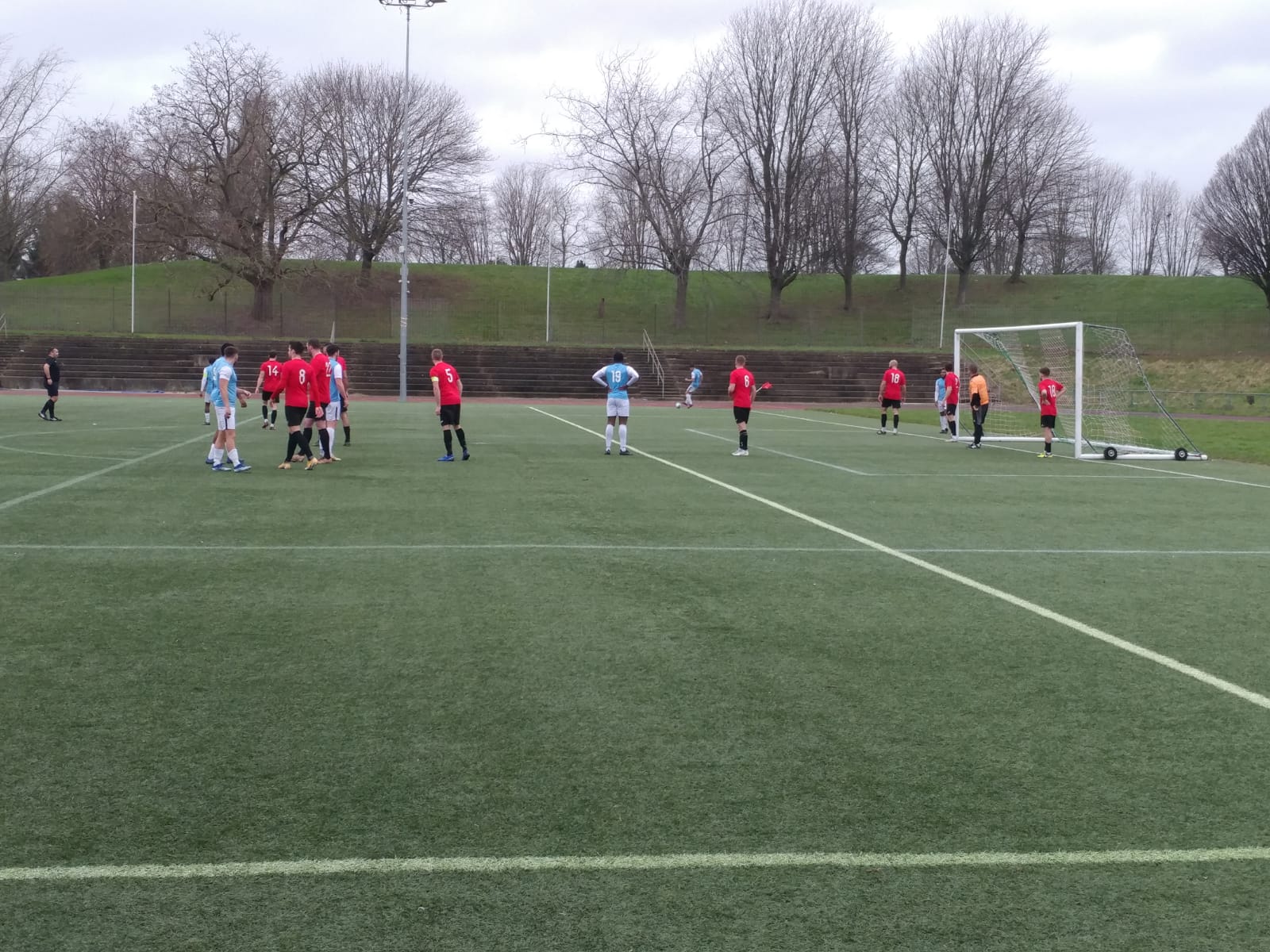
“we could hear the contact from over here”
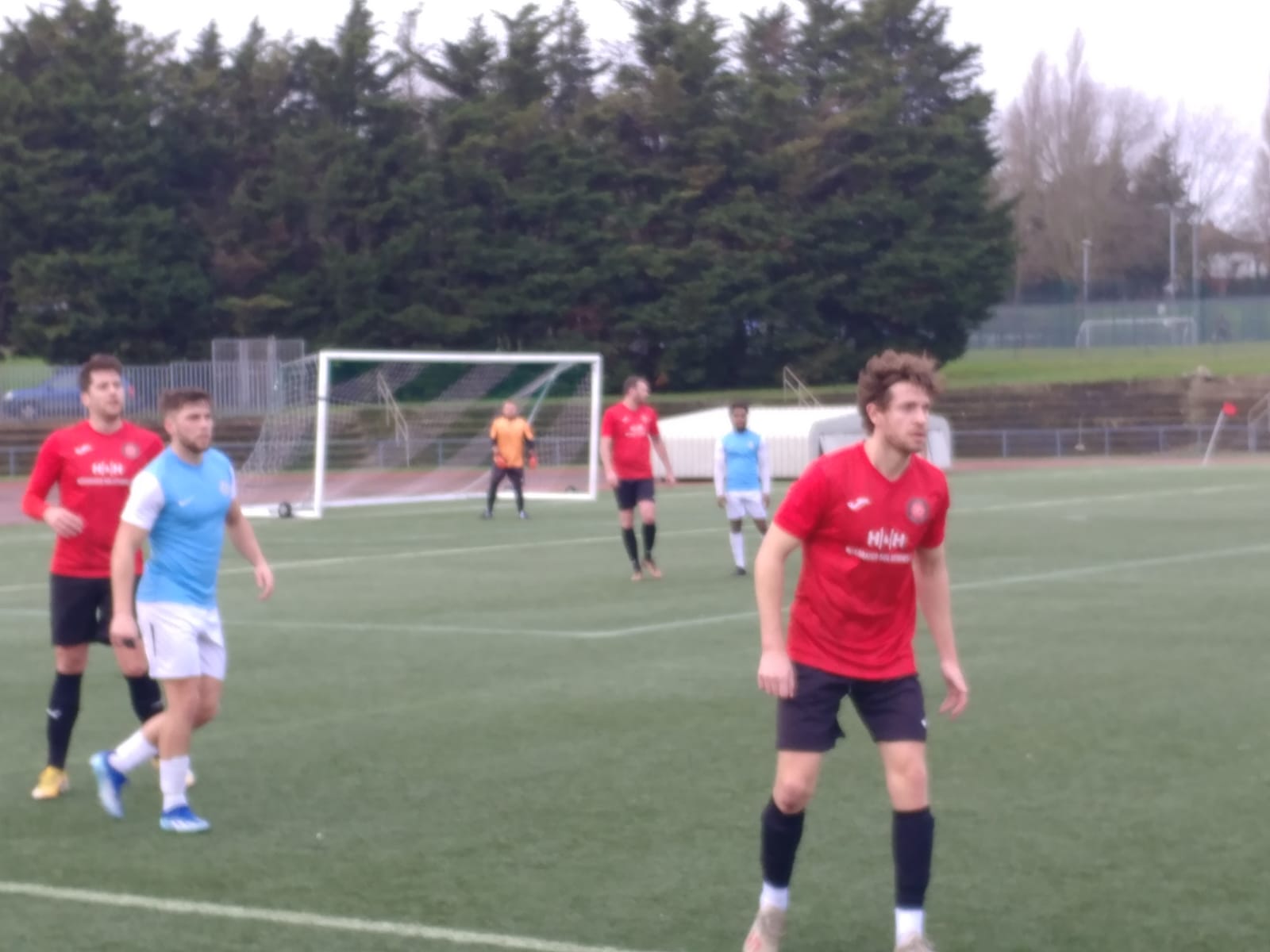
In the 61st minute Muhemba again ran into the Flaunden penalty area and went down. Highgate appealed for a penalty, but as Muhemba lay on the floor receiving medical treatment the referee instead harshly booked him for simulation. It was not a popular decision with the Highgate bench. Captain Ian Maitland (who went off injured) gave the referee an earful and shouted at him: “we could hear the contact from over here” (bench). 4 minutes later the quicksilver Solomon Ofori went on a mazy run down the right wing (as he often does), twisted and turned, then crossed into the penalty area; where Luke Alfano (who by his high standards had been quiet in the second half) headed in from about 7 yards out to put Highgate 2-1 up in the 65th minute. Flaunden were level for only 6 minutes. I had actually being recording video footage of the move that led to this goal but in my infinite wisdom, stopped recording 1 second before Highgate scored!
In the 72nd minute Tage Kennedy ran clean through on goal and just when it looked like he would put Highgate 3-1 up, he instead tried to square the ball to Ofori rather than shoot. The ball did not reach Ofori and Highgate squandered yet another chance. That was Ofori’s last meaningful involvement in the game as Highgate’s manager Adam Shahein substituted him in the 77th minute and brought on Shehzad Anwar to replace him. This led to a reshuffle as Anwar went into central midfield, striker Excellence Muhemba moved to the right wing where Ofori had been playing, and midfielder Luke Alfano moved to center forward where Muhemba had been playing. These multiple simultaneous changes made Highgate less fluid. They were unsettled and their game got scrappy for a few minutes as players tried to settle in new positions.
5 minutes after these changes, Flaunden attacked again and crossed from the right wing. The cross did not look dangerous and the wonderfully named Highgate midfielder Pele Riley positioned himself to stop the cross with his foot. However, Riley lost concentration, the ball ran under his foot, and it went straight to Flaunden’s midfielder James Potton who shot first time into the right hand corner of Highgate’s goal. Flaunden equalised with only 8 minutes remaining and scored 2 goals with their only 2 shots on target. Potton used to play at a high level at Step 2 for Hemel Hempstead in the National League South. The distraught Pele Riley held his head in his hands and almost fell to the floor in disappointment with himself. Unsurprisingly, 3 minutes later Highgate substituted the shell-shocked Riley and brought on Richard Kofi-Ennin to replace him.
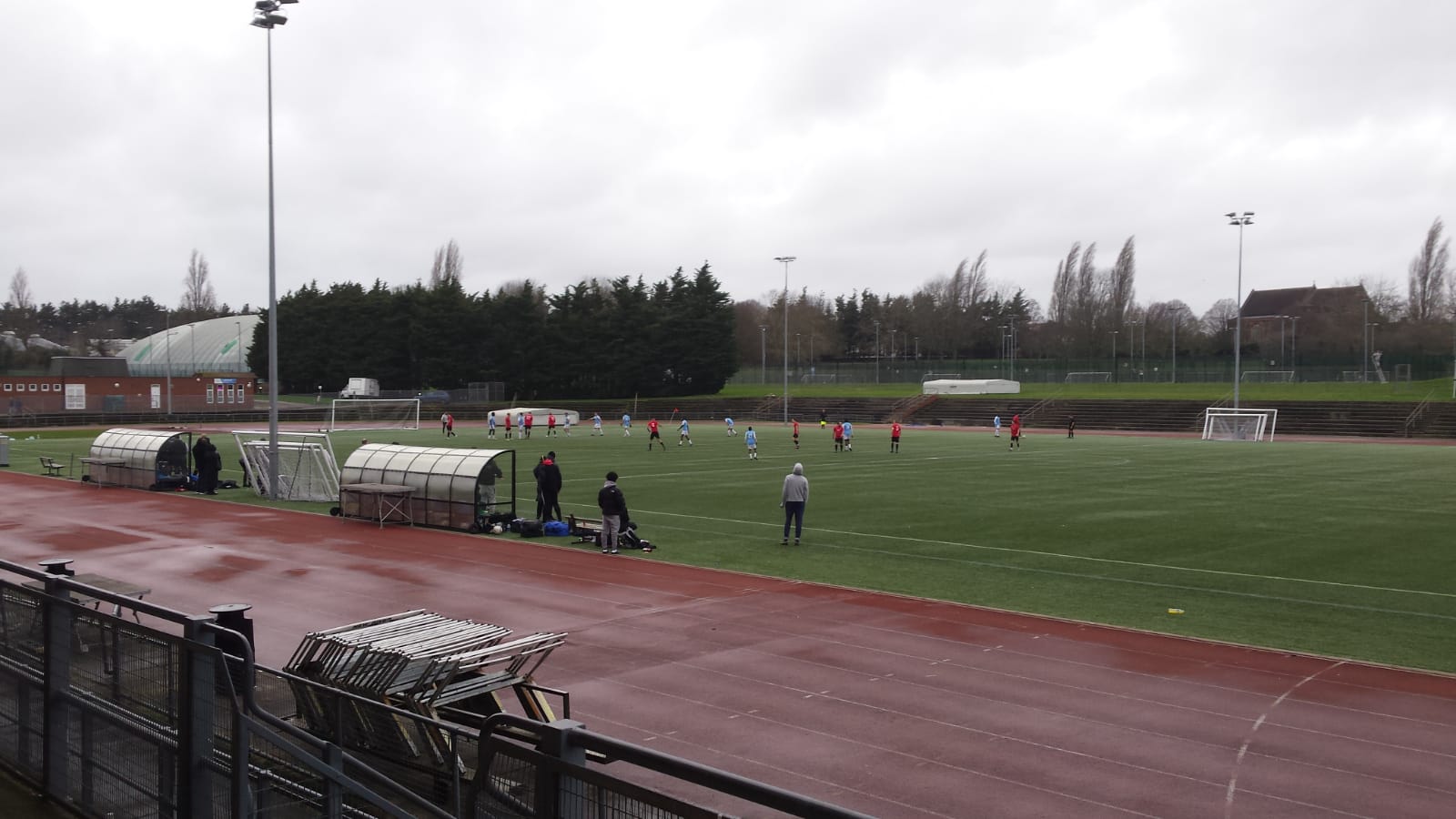

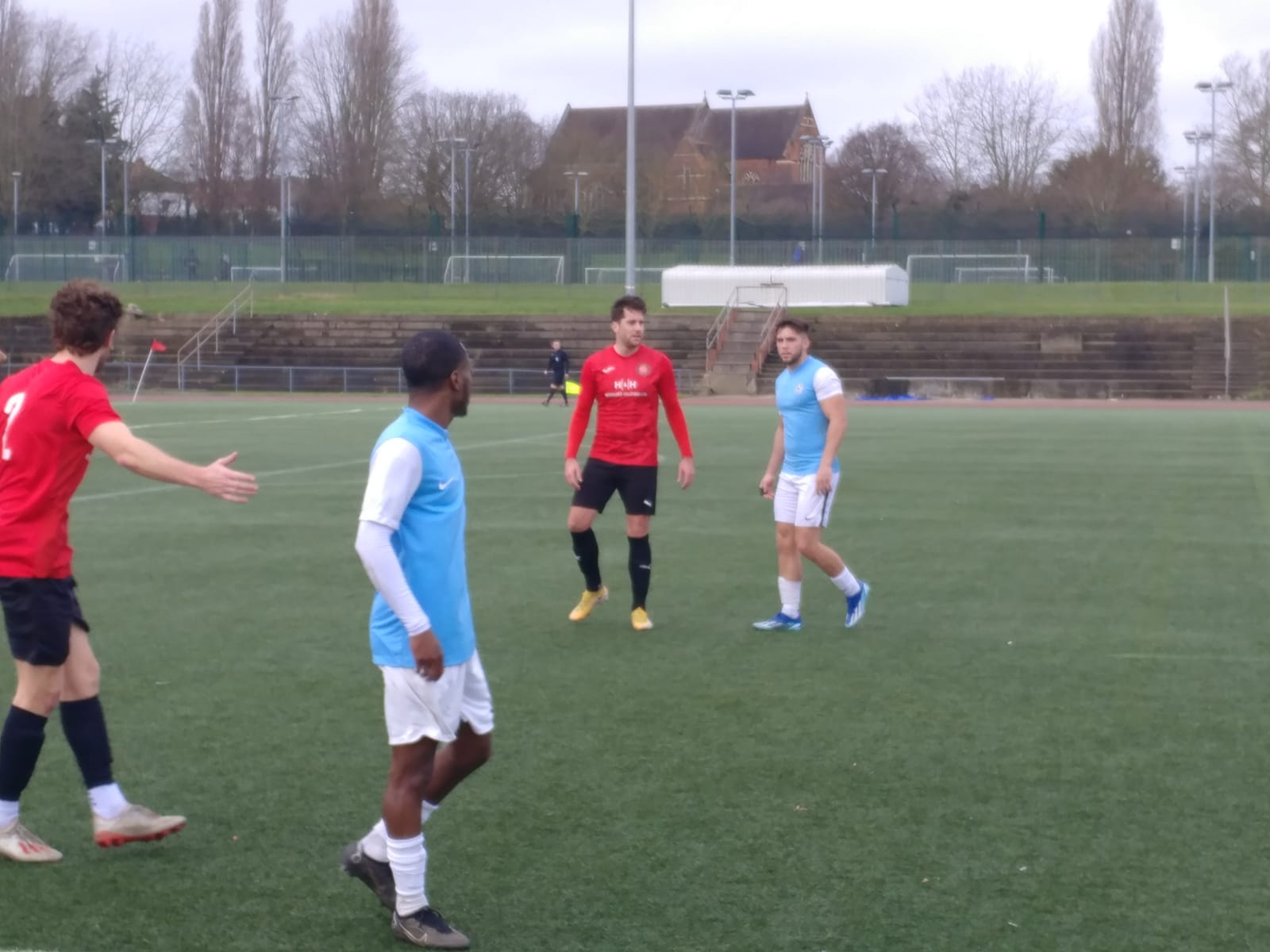
Since so many of the players in this match also played hard matches the day before for their Saturday clubs, perhaps unsurprisingly both teams tired late on. Highgate looked the more tired of the two teams in the final 10 minutes. The second equaliser reinvigorated Flaunden and in the final 10 minutes they looked more dangerous than at any other point in the second half. In contrast Highgate at times appeared rattled in the closing minutes. Matthew Gbio completely missed the ball while attempting a clearance, and with only 3 minutes remaining, Highgate’s center back Alvin Kyeremeh played a disastrous back pass (if giving the ball straight to an opposition player deserves the name). Flaunden’s James Powell once bore down on goal, and tried to take the ball around Highgate’s goalkeeper Charlie Taylor, but at the last moment Taylor clutched the ball off his feet and saved the day for Highgate.
With only 1 minute of normal time remaining, Highgate left back Teddy Stacey ran into Flaunden’s penalty area, and had a chance to win it. However, his shot went just wide and hit the wheel beside the right hand goal post.
After the referee allowed 6 minutes of additional time to be played, the match went into a dramatic penalty shoot out. Highgate’s manager Adam Shahein kept lamenting his disbelief that they had to face a penalty shoot out in a match his team had dominated. Flaunden advanced in the previous round on penalties after winning 4-1 in a penalty shoot out over south London team Clapham Rovers of the Southern Sunday League.
For those who do not like spoilers, I have posted the penalty shoot out below.
Richard Kofi-Ennin scored the winning penalty for Highgate won a dramatic penalty shoot out 7-6 on sudden death to advance into the quarter-finals. Highgate gave themselves a real scare by not converting their chances and put themselves in unnecessary jeopardy. Another team may have punished them for those missed chances. Flaunden deserve credit for being far more clinical than Highgate at converting chances. While Highgate seemed to specialise in missing clear-cut chances, Flaunden were more ruthless with their chance conversion.
PENALTY SHOOT OUT SUMMARY:
| PENALTY | FLAUNDEN | OUTCOME | HIGHGATE | OUTCOME |
| Matt Bateman | Scored | Teddy Stacey | Scored | |
| Ben Davis | Scored | Matthew Gbio | Scored | |
| Ryan Anthony | Scored | Harry Gallagher | Scored | |
| James Powell | Hit post | Excellence Muhemba | Scored | |
| James Potton | Scored | Tage Kennedy | Saved by GK | |
| Ed Canham | Scored | Luke Alfano | Scored | |
| Tom Brice | Scored | Lonit Talla | Scored | |
| Luke Marsh | Saved by GK | Richard Kofi-Ennin | Scored |
FULL-TIME SCORE: HIGHGATE ALBION 2 –v- FLAUNDEN 2 (7-6 on penalties)
Highgate join east London team Baiteze Squad (who beat Highgate in the 2022 FA Sunday Cup final) in the quarter-final draw. In the quarter-final Highgate will play away against Hertfordshire FA Sunday Senior Cup holders St Joseph’s (South Oxhey) who ended the 20 month unbeaten streak of Kent Sunday Premier Cup holders and Ashford & District Sunday League champions Market Hotel in round 4 last weekend after beating Market Hotel 4-2. It is a real shame that two of these three excellent teams (Highgate Albion, St Joseph’s, and Market Hotel) have to be eliminated. They currently hold 4 county cups between them.
ST JOSEPH’S (SOUTH OXHEY) –v- MARKET HOTEL – 115 Years of History (Hertfordshire Champions v Kent Champions)

Competition: FA Sunday Cup, Round 4
Date: Sunday January 28, 2024 (Postponed from January 21). Kick Off: 1pm)
Venue: Northwood FC, The Skyline Stadium, Northwood Park, Northwood Recreation Ground, off Chestnut Avenue, Northwood, Middlesex, HA6 1HR
This rescheduled 4th round tie pits the champions of Hertfordshire and Kent against each other. These two teams have 115 years of history between them, and are the most successful teams in the history of their respective leagues. Between them they won 7 trophies last season alone.
The home team St Joseph’s is the holder of the Hertfordshire FA Sunday Senior Cup and won three trophies last season (and narrowly missed winning the Watford Sunday League championship by 1 point when it drew with eventual champions North Watford 0-0 in a championship deciding match on the final day of the season).
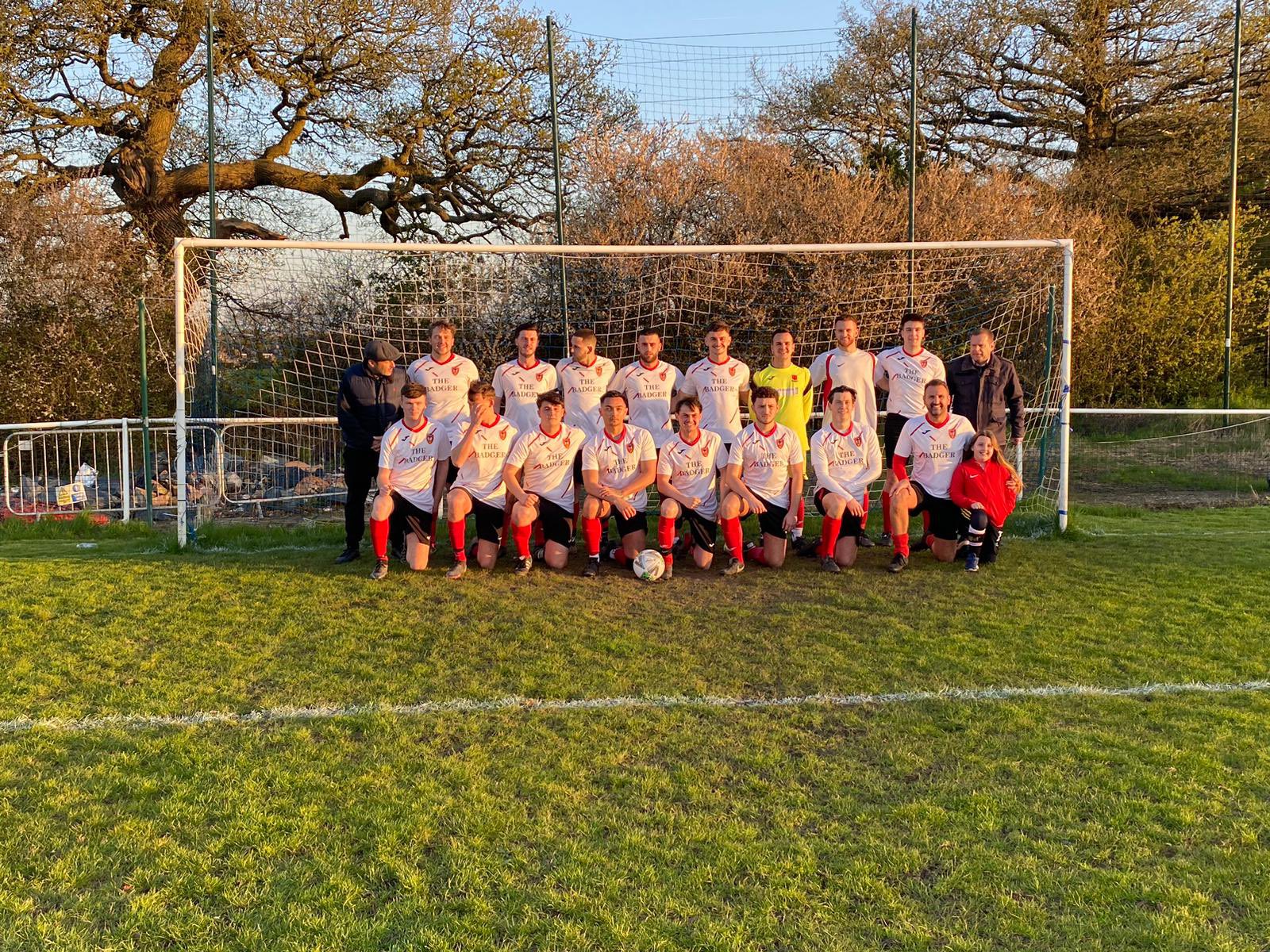
The away team Market Hotel FC is from Ashford in Kent, and is the most successful team in the history of the Ashford & District Sunday League (a league it has won 23 times). It goes into this tie as one of the most in-form Sunday teams in Britain. It is the champion of its league and county, and currently holds 4 trophies simultaneously after a brilliant “invincible” 2022-23 season during which the club won every competition it entered, won 4 trophies, and did not lose a game all season (it won 24 of the 26 games it played, and drew only twice). Market Hotel is currently the champion of the Ashford & District Sunday League, and holder of the Kent FA Sunday Premier Cup, Ashford & District Sunday League Premier Division Cup, and the Bodkin Challenge Cup.

This tie also has a lot of history as these two teams are the longest established teams still left in this season’s FA Sunday Cup competition. Between them, they have been playing for a combined total of 115 years. While St Joseph’s was founded 60 years ago, Market Hotel was founded 55 years ago.
I previously profiled Market Hotel at this link. So here is an introduction to the home team St Joseph’s.
ST JOSEPH’S (SOUTH OXHEY)

Location: South Oxhey, Hertfordshire
League: Watford Sunday League
Year Founded: 1964
Home Ground: Sun Postal Sports & Social Club, Bellmountwood Avenue, Watford, WD17 3BN
Kit Colours: white shirts, red shorts, red socks
Manager: Taylor Mitchell
Captain: James Yallop
Last season:
- Treble winners
- Hertfordshire FA Sunday Senior Cup winners
- Terry Devereux President’s Cup winners
- Eric Hand Challenge Cup winners
- Watford Sunday League runners up
Honours:
- 18 time Watford Sunday League champions
- 7 time Hertfordshire FA Sunday Senior Cup winners (1993, 1998, 2001, 2008, 2010, 2022, 2023)
- 14 time Watford Sunday League Challenge Cup winners
- 14 time Watford Sunday League President’s Cup winners
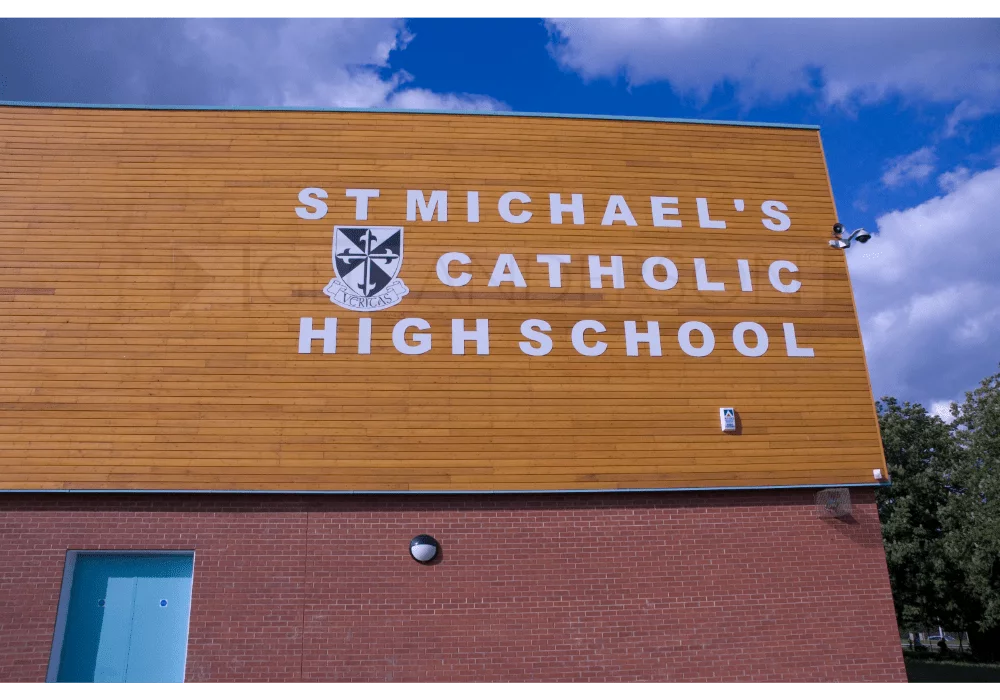
St Joseph’s (South Oxhey) FC (not to be confused with current FA Sunday Cup holders St Joseph’s from Luton) is from the village of South Oxhey in Hertfordshire. The club was founded 60 years ago in 1964 by a group of boys who had just finished schooling at the St Michael’s Catholic School in Garston, Hertfordshire. The majority of the club’s original players grew up in and around estates in South Oxhey and were alumni from St Michael’s School. The school is still open and now has over 1000 students. St Joseph’s Catholic Church in South Oxhey sponsored the team, and gave them a grant of £100 (a very large sum of money back in 1964) to help them during their inaugural season. The club has historically been (and still is) operated by former students of St Michael’s School and by the club’s former players.
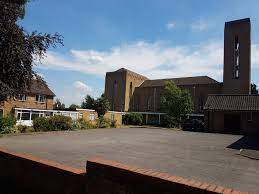
St Joseph’s is most successful Sunday club in Hertfordshire history, and is the oldest and most successful Sunday club in the history of the Watford Sunday League. It has won the Hertfordshire FA Sunday Senior Cup a record 7 times (including consecutive wins in the past 2 seasons) and the Watford Sunday League a record 18 times. The 2009-2010 season was the most successful season in the club’s history as it was unbeaten throughout the season, won the Hertfordshire FA Sunday Senior Cup, the Watford Sunday League championship, and the Challenge Cup (for the fifth time in six seasons between 2004 and 2010).
“a barren 10 years”
However, it has not been all glory for St Joseph’s. The club fell on hard times. Former St Joseph’s vice-captain Paolo Deritis (who is now part of the club’s management committee) told me that the club “had some tough times within the past 5-10 years”, and finished second from bottom and bottom of the Watford Sunday League Premier Division table in 2019 and 2020 respectively. It was fortunate to escape relegation in both of those seasons due to the seasons’ results being voided due to COVID. Things got so severe that the came within days of disbanding in May 2018.
After what Paolo Deritis described to me as “a barren 10 years”, former manager Scott Patmore (father of the club’s goalkeeper Charlie Patmore) rebuilt the club, revamped its squad, won the Hertfordshire FA Sunday Senior Cup in 2022 (for the first time in 12 years), and finished 2nd in the Premier Division in the same season. It was quite a turnaround after almost being relegated and going out of existence.
Dean Seabrook and Liam Sonner took over last season (2022-2023 season) as St Joseph’s Manager and Assistant Manager respectively. Both are former St Joseph’s players and in their first season in charge, they won three trophies: the Hertfordshire FA Sunday Senior Cup, Watford Sunday League President’s Cup, and Watford Sunday League Challenge Cup. They also almost added a fourth trophy in their first season, but narrowly missed out on winning the Watford Sunday League Premier Division championship – after finishing second by only 1 point following a 0-0 draw with first placed North Watford on the final day of the 2022-2023 season. Seabrook’s cousin Harry Seabrook is also a St Joseph’s player and the club’s former captain.
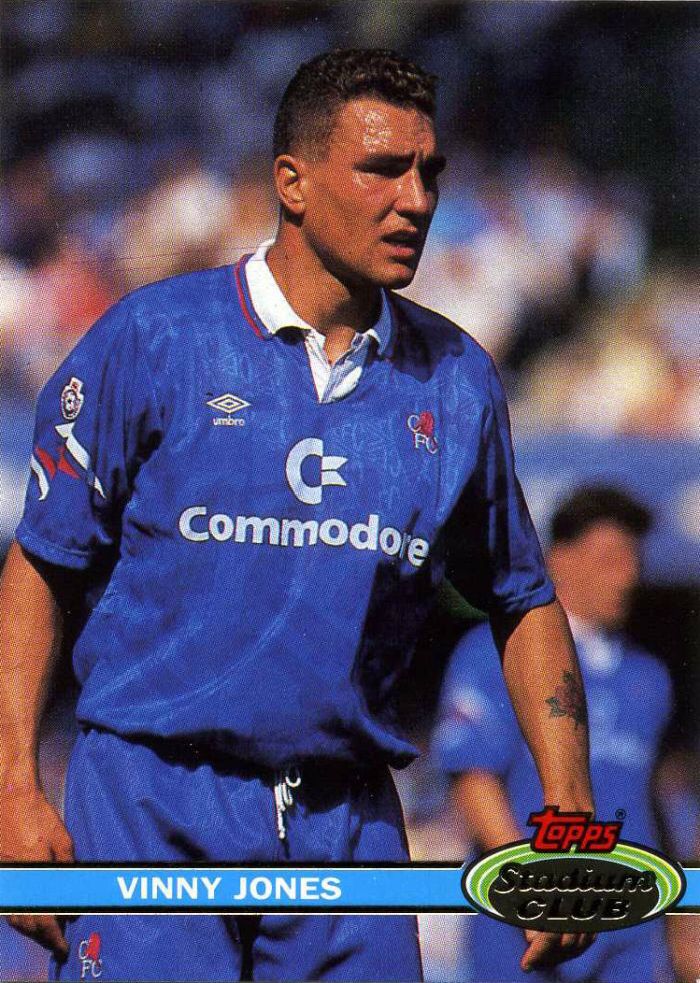
St Joseph’s has some famous former players such as former Chelsea, Leeds United, Sheffield United professional footballer and Welsh international (and Hollywood movie star!) Vinnie Jones. Former St Joseph’s player Roy Davies also played professionally for EFL League One team Reading and for Wealdstone of the National League. Former St Joseph’s midfielder Junior Lewis played for several professional clubs including Leicester City, Brentford, and Hull City.
Some members of the current St Joseph’s team have also played at a very high level. For example, Liam Smyth is a former Northern Ireland youth International and played for EFL League 1 team Stevenage. Ronnie Blagden is a former Gibraltar youth international and played professionally for Motherwell in Scotland and for Swedish top tier club IF Brommapojkarna.
From back to front the current St Joseph’s squad also has several other players who play for semi-professional clubs on Saturdays. Its goalkeeper Charlie Patmore plays for Southall in the Isthmian League’s South Central Division. Other St Joseph’s players for who play for high level Saturday clubs include:
| NAME | SATURDAY CLUB | LEAGUE | LEAGUE LEVEL (STEP) |
| Harry Seabrook | Harrow Borough | Southern League Premier Division South | 3 |
| Keane Fullwood | Aylesbury Vale Dynamos | Spartan South Midlands League – Premier Division | 5 |
| Dan Griggs | Chalfont St Peter | Combined Counties League – Premier Division North | 5 |
| Paolo Deritis | Crawley Green | Spartan South Midlands League – Premier Division | 5 |
| Liam Smyth | Tring Athletic | Spartan South Midlands League – Premier Division | 5 |
| Luke Peerless | Tring Athletic | Spartan South Midlands League – Premier Division | 5 |
| Lewis Davis | Spartans Youth | Combined Counties League – Division 1 | 6 |
| Taylor Cobb | Belstone | Hertfordshire Senior County League – Premier Division | 7 |
St Joseph’s seeks to become the first Watford Sunday League team to ever win the FA Sunday Cup. To do that they will have to go one step further than their league colleagues Evergreen and Glenn Sports – both of whom reached the final, but narrowly lost. Evergreen lost the 1976 FA Sunday Cup final 1-2 to Brandon United (who later switched to Saturday football and currently play in Division 2 of the Northern League). A decade later Glenn Sports lost to Merseyside team Avenue 0-1 in the 1986 final.
To do better than Evergreen and Glenn Sports, St Joseph’s will have to advance beyond the last 16 of the FA Sunday Cup for the first time in its history. This is the second time it has reached the final 16. The last time it reached the last 16 (in 2022) it lost 2-0 to Club Lewsey from Luton.
Predicting who will win the FA Sunday Cup is very difficult at this stage where all the remaining teams are good enough to win it. St Joseph’s player Paolo Deritis told me that:
“We always enter the FA Sunday to get as far as possible and hopefully enjoy a few days out along the way. If we are still in it, we still have a chance of winning it – Not many teams will enjoy playing on Sun Postal our home pitch, we’ve had a home draw every round this season. However, there are some big names still in the competition”
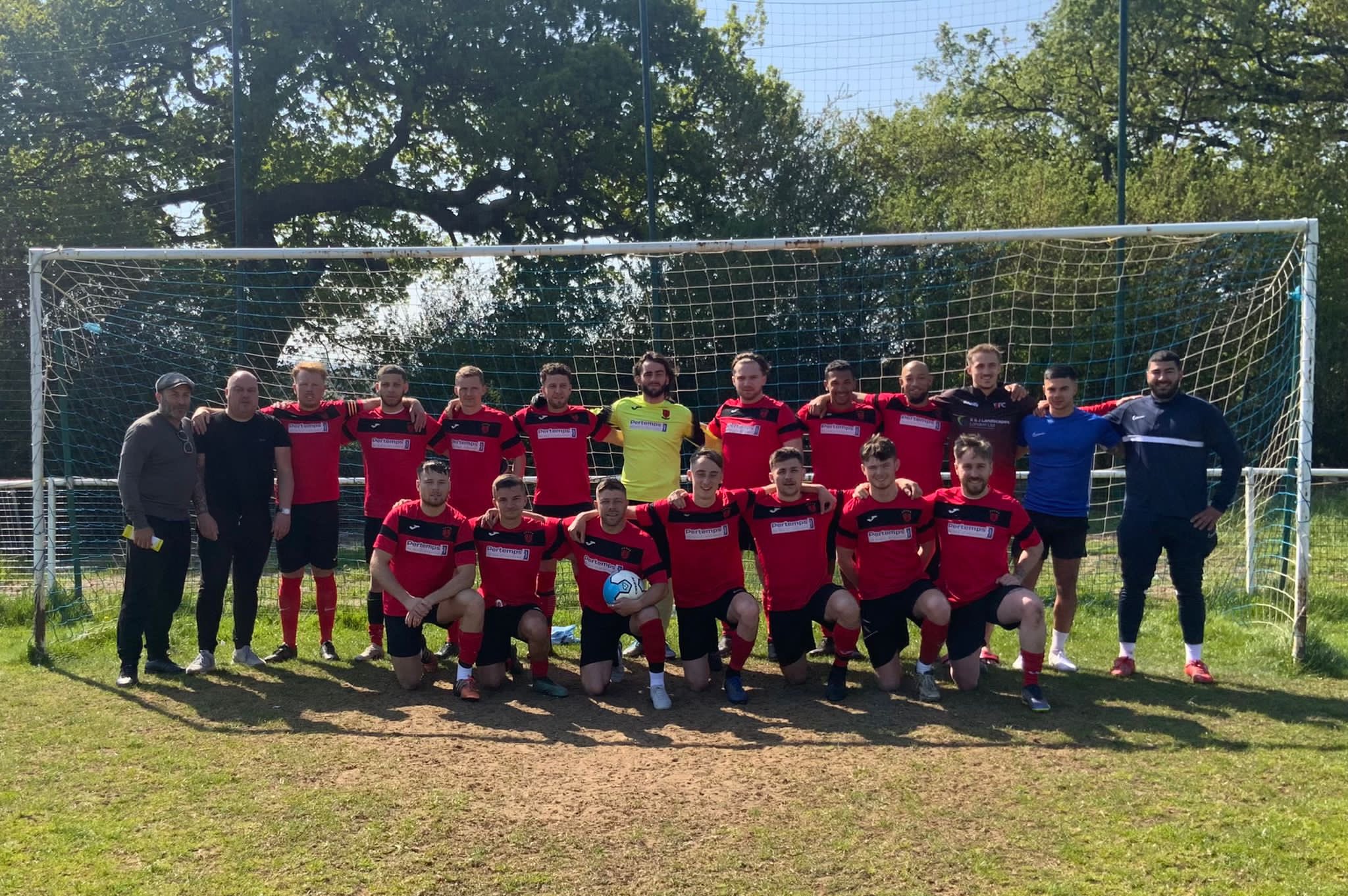
St Joseph’s 4th round match against Market Hotel was supposed to be played last weekend at St Joseph’s regular home ground at the Sun Postal Sports & Social Club (where Sun Sports Watford FC plays on Saturdays in the Hertfordshire Senior County League), but was postponed and the fixture will now be played at the stadium of Northwood FC (of the Isthmian League South Central Division).
St Joseph’s will have its work cut out against Kent Sunday Premier Cup holders Market Hotel; who have not lost a game in 20 months (since it lost 2-4 to Ashford Genclick in May 2022). Market Hotel’s unbeaten streak spans about 35 games. To advance to the quarter-finals, St Joseph’s will have to do something no other team has been able to do for nearly 2 years: beat Market Hotel.
Africa Cup of Nations 2024 – Results and Highlights From All Games to Date (#AFCON 2024)
Final Group Stage Standings:
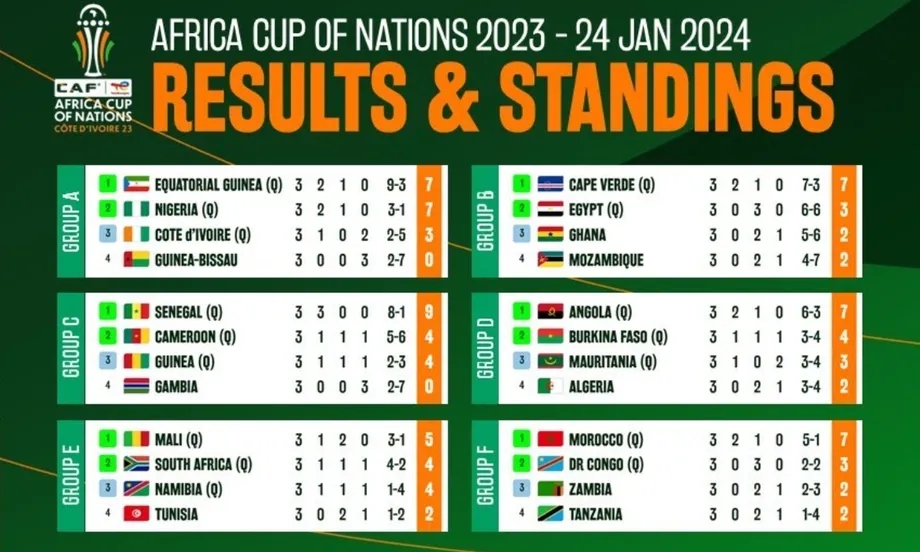
Saturday January 14, 2024
Ivory Coast 2 -v- Guinea-Bissau 0 (Group A)
Sunday January 15, 2024
Nigeria 1 –v- Equatorial Guinea 1 (Group A)
Ghana 1 -v- Cape Verde 2 (Group B):
Monday January 15, 2024:
Senegal v Gambia (Group C)
Cameroon 1 v Guinea 1 (Group C)
Algeria v Angola (Group D)
Tuesday January 16, 2024
Burkina Faso 1 –v- Mauritania 0 (Group D)
Algeria v Angola (Group D)
Tuesday January 16, 2024
Burkina Faso 1 –v- Mauritania 0 (Group D)
Tunisia 0 –v- Namibia 1 (Group E)
Mali 2 –v- South Africa 0 (Group E)
Thursday January 17, 2024
Ivory Coast 0 –v- Nigeria 1 (Group A)
Everything You Need to Know About the 2024 #AFCON

The 2024 CAF Africa Cup of Nations (AFCON) tournament will start this weekend. Please see below for a quick guide to the squads, and key details of the tournament. You can follow the results at this link.
AFCON Quick Facts:
Start Date: Saturday January 13, 2024
Reigning Champion: Senegal
Host Nation: Ivory Coast
Number of Qualified Countries: 24
Group Stage Draw:
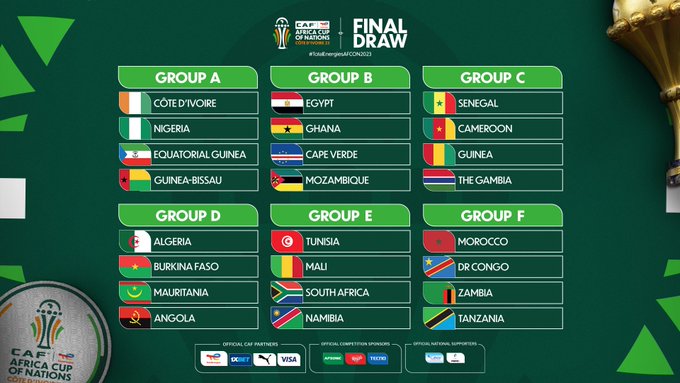
Group A: Ivory Coast, Nigeria, Equatorial Guinea, Guinea-Bissau
Group B: Egypt, Ghana, Cape Verde, Mozambique
Group C: Senegal, Cameroon, Guinea, The Gambia
Group D: Algeria, Burkina Faso, Mauritania, Angola
Group E: Tunisia, Mali, South Africa, Namibia
Group F: Morocco, DR Congo, Zambia, Tanzania
The Athletic also has an excellent podcast preview of the AFCON at this link. It is also available on Apple Podcasts, The Athletic’s website, and on Spotify.
FAQs:
Who Will Win the 2024 AFCON?
A team from West Africa. Home advantage is massive in the AFCON. The host nation has won the AFCON in 11 different tournaments (almost one-third of all AFCON tournaments in history). Although North African teams such as Morocco and Algeria are very strong, only twice in the 34 AFCONs has a North African team won an AFCON tournament hosted in West Africa (Egypt won it in Burkina Faso in 1998 and in Ghana in 2008). Moreover, West African teams have won 4 of the last 5 AFCONs. All these are good portents for the West African teams, and not great portents for the North African teams. Let us first look at the best West African contenders…
Senegal
As the reigning and defending champions, Senegal will be among the favourites.
Until the last AFCON, Senegal was in danger of becoming the Portugal or Ivory Coast of this generation: a team labelled a “golden generation” but that never wins a trophy. Senegal came close to winning the 2019 AFCON but lost a close final 0-1 to Algeria. This AFCON might be the last hurrah for this group of players.
Teams that win the AFCON usually have two successful ingredients: a strong defence and a good goalkeeper. Senegal have both. They have big and powerful defenders in Kalidou Koulibaly, Moussa Niakhate, and ex PSG defender Abdou Diallo. They also have a steady goalkeeper in Edouard Mendy.
Senegal also has coaching stability. Former Senegal international defender Aliou Cisse has been the coach for the past 9 years. He was a member of the Senegal squad that shocked then world champions France at the 1998 World Cup.
Although, teams rarely retain the AFCON, Senegal is good enough to do so. In the 32 AFCON tournaments to date, only 3 teams have ever retained the trophy (Ghana won it in 1963 and 1965, Cameroon in 2000 and 2002, and Egypt in 2006, 2008, and 2010). Can Senegal join them?
Ivory Coast
As the host nation, expect Ivory Coast to go far in this competition. While this Ivory Coast team does not have the same stardust or quality as Ivory Coast’s “Golden Generation” team which included Didier Drogba, the Toure brothers, Didier Zokora, Bonaventure Kalou, Gervinho, and Arouna Kone, home support often propels the host nation to improbable victories – even when they are not the best team. While I think Ivory Coast will comfortably advance to the knockout rounds, their exclusion of Wilfried Zaha and the loss of his dribbling skills, mean they will lack the cutting edge to win the tournament.
Nigeria
Certainties in life: death, taxes, and Nigeria in the AFCON semi-final! Nigeria has a remarkable record of progression to the AFCON semi-finals. It has reached the semi-final 15 times in the last 19 AFCON tournaments it has played in (almost 80% of all AFCONs). Nigeria also has an embarrassment of riches in attack. It has so many talented forwards playing in Europe’s top leagues that a Reddit user created a thread entitled “F*** Me, Nigeria is Stacked With Forwards“, and name checked some of them “Awoniyi, Osimhen, Gift Orban, Moffi, Victor Boniface, Umar Sadiq, Iheanacho…”.
However, in the space of 2 weeks Nigeria has gone from having a surplus of attacking options to having to select its third and fourth choice attackers. Taiwo Awoniyi of Nottingham Forest picked up an injury that ruled him out before the tournament, then Victor Boniface (who has 24 goals and assists in only 23 games for German Bundesliga league leaders Bayer Leverkusen this season) got a muscle injury in training, followed by Real Sociedad striker Umar Sadiq who was also ruled out with a knee injury. Ironically, Sadiq would probably not have been in the squad had Awoniyi been fit. Leicester City striker Kelechi Iheanacho is also recuperating from an injury – meaning that 4 of Nigeria’s first choice 5 forwards are injured. This is in addition to midfielder Wilfred Ndidi who is also injured and out of the tournament.
With so many key players missing, there will be massive pressure on Victor Osimhen of Napoli. If he gets injured – it will be over for Nigeria. Nigeria’s hopes of success were pinned on using its glut of quality forwards to overwhelm the opposition and compensate for its subpar goalkeeping and defensive departments. I cannot see Nigeria winning this tournament with so many key players injured.
THE NORTH AFRICAN CONTENDERS
Morocco
Apart from having a spine tingling national anthem, Morocco were excellent at the last two World Cups and might be the best team to ever finish bottom of a World Cup group (in 2018). The refereeing (if corrupt incompetence deserves the name) in their final 2018 group game against Spain was the closest thing to matching fixing I have ever seen on live television.
Technically, very few teams in Africa can live with Morocco’s easy on the eye “pass it and move” pretty triangles. It says much for them when the greatest criticism I can level at them is that they pass it too much.
Morocco’s team is made up mostly of players of Moroccan descent who were born and/or raised in Europe. In goal they have Sevilla’s Yassine Bounou – who was born in Canada and might be the best African goalkeeper. Morocco probably has the best full back pairing in the world in Achraf Hakimi of PSG and Noussair Mazraoui of Bayern Munich. Their defence also incudes Nayef Aguerd of West Ham, and their reserve left back Yahya Attiat-Allah plays for Wydad Casablanca; who reached the last two finals of the African Champions League. Manchester United’s Sofyan Amrabat is a workaholic midfielder.
While Morocco’s defensive strength, discipline, and tactical sophistication means they can absorb pressure and keep a clean sheet against the best teams in the world (as they showed against Spain, Portugal, and Croatia at the last World Cup), they are not prolific goal scorers. They will have to find a way to squeeze out more goals against teams who sit deep and defend against them.
Algeria
Algeria won the 2019 AFCON. After failing to qualify for the 2018 World Cup, Algeria sorted themselves out tactically and organisationally. The usual patronising European tropes about “naïve” African defending cannot be thrown at Algeria. They are streetwise. Algeria conceded only one goal from open play in the 2019 AFCON tournament. I do not have a problem with Algeria’s attritional style of play (when Italy win trophies with dour defensive football, people give it fancy names like “catenaccio”). It is not pretty on the eyes, but it is effective.
Algeria remind me a little bit of Morocco. Algeria also have a good goalkeeper, strong defenders (such as Ramy Bensebaini of Borussia Dortmund) and midfielders (e.g. Ismael Benaccer of AC Milan and Houssem Aouar of Roma), and a brilliant world class winger in Riyah Mahrez. However, like Morocco, Algeria’s strength lies in their ability to absorb pressure and keep clean sheets, not in scoring lots of goals. Their center forwards Islam Slimani and Baghdad Bounedjah are 35 and 32 respectively. Unless they can eke out extra goals, they will fall at the quarter-final or semi-final stage.
Where Can You Watch the AFCON on TV?
UK: BBC3, BBC iPlayer, Sky Sports, Sky Go, and Now TV
USA: beIN Sports
Nigeria: Canal+ Sport 1 Afrique, Startimes Sports Life, Startimes Sports Premium, and NTA Sports 24
South Africa: SABC Sport, Startimes Sports Premium, and Startimes Sports Life
Canada: beIN Sports
France: beIN Sports France
Germany: Sportdigital FUSSBALL
Italy: SportItalia
Portugal: Sport TV Portugal
Spain: LaLiga+
Ghana: Startimes Sports Premium, Canal+ Sport 1 Afrique, Startimes Sports Life, and GTV Sports+
Egypt: beIN Sports 1 AFCON, beIN Sports 2 AFCON, and ON Time Sports
Ivory Coast: RTI La 3, NCI, New World Sport1, and RTI
Morocco: beIN Sports 1 AFCON, beIN Sports 2 AFCON, and Arryadia 3
Senegal: Canal+ Sport 1 Afrique, New World Sport1, and RTS 1
Brazil: Band TV and BandSports
Australia: beIN SPORTS Australia
Why is the AFCON played “in the middle of the season”?
The AFCON is played in the middle of the European season, not the African season. Many African football leagues are actually “closed” at this time of year.
The AFCON has been played at this time of year for 65 years (i.e. for the entire lifetime of every single Premier League manager, coach, and player), yet on the eve of each AFCON, Premier League clubs become exceptionally surprised about their African players having to play in the AFCON in January and February (even though this has always been the case).
Why Can’t the AFCON be played “at the end of the season”?
For several reasons. Here are a few:
- Climate: the AFCON is played early in the year because in most parts of Africa, the weather in June-August is either too unbearably hot (above 104 Fahrenheit) or is smack bang in the middle of the rainy season. When I say “rainy season”, I do not mean the annoying “spittle” like rain and breeze that Brits complain about. I mean apocalyptic monsoon rain of biblical proportions that would send a house floating down the road into a neighbouring town if its foundations are a bit dodgy.
- Commercial reasons: if the AFCON is moved to the summer, it would clash with at least one of the World Cup, Olympics, Euros, or Copa America every 2 years – meaning that it would lose TV audience share and the resulting revenues.
Also, the last AFCON (2019) was played in the European summer (to appease the whining of European fans and coaches who spent decades complaining about how inconvenient it was for them to lose their African players for 4 or so club games in a 50-60 European season). So CAF moved the tournament to after the end of the European season to please European clubs. After European fans and coaches got what they wanted, they changed their whining tune to instead complain that players had just finished a gruelling 60 game season in Europe and they did not want their players being asked to play more games in desert like heat
 Max Siollun’s Website